Why Roof and Window Replacement Should Be Coordinated
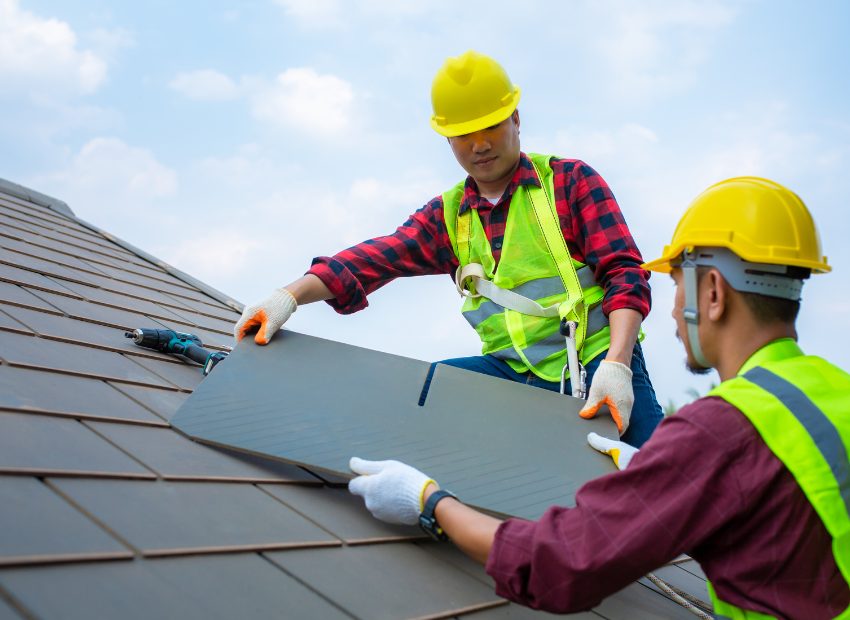
Most homeowners view roof replacement and window replacement as separate, isolated projects. They hire a roofer one year and a window company the next. This fragmented approach often leads to higher costs, missed opportunities for efficiency, and, most critically, vulnerable points in your home’s water defense.
The Building Envelope: How Roofs and Windows Work Together
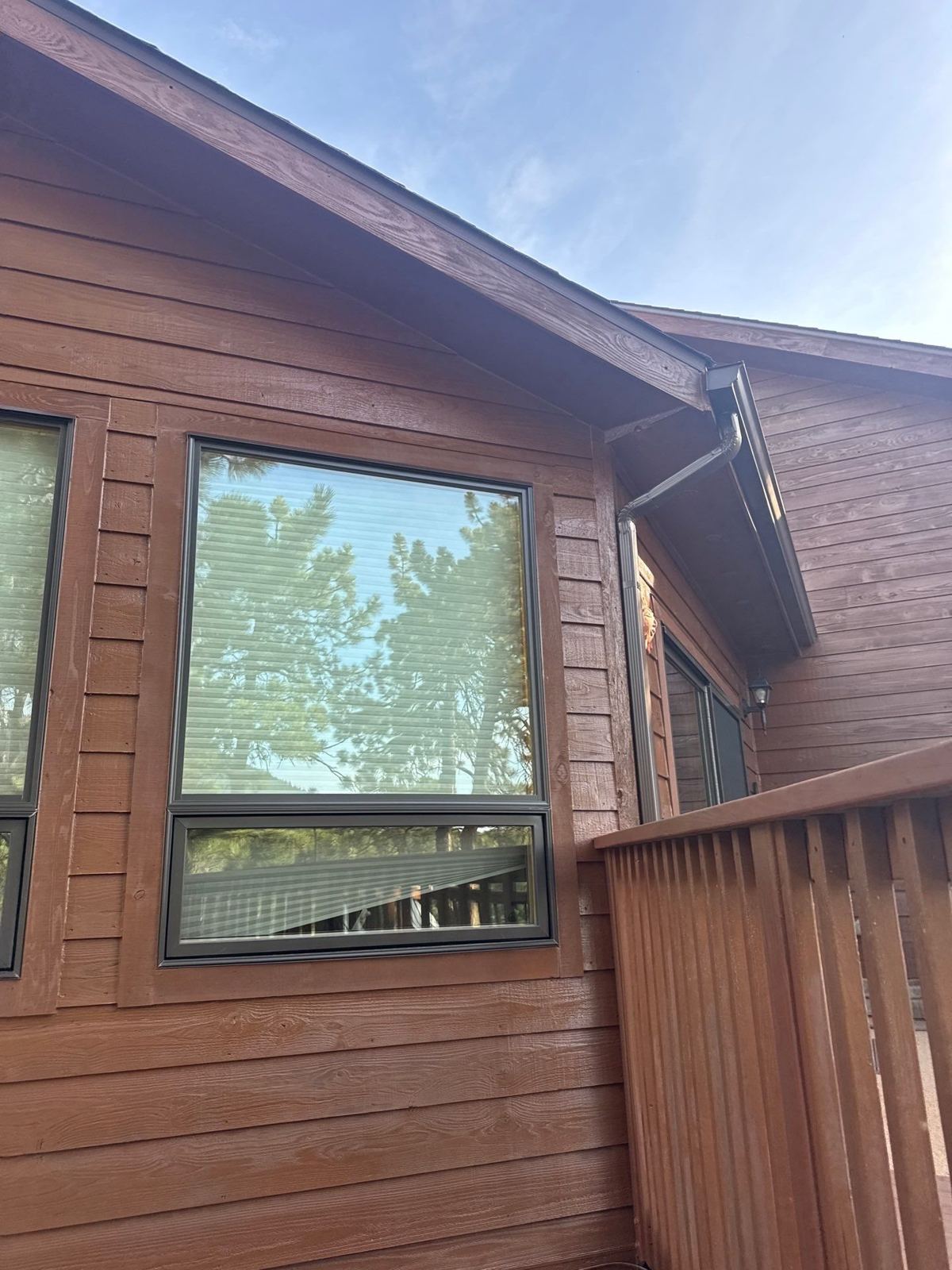
Your home isn’t a collection of parts; it’s a system. The “building envelope” is the barrier that separates the conditioned interior from the harsh exterior. Roofs and windows are key parts of this envelope. Where they meet, at dormers, skylights and upper-story walls, leaks are common.
Flashing Integration & Water Management
The critical intersection is flashing. Flashing is the metal material used to direct water away from joints.
- Dormers: Windows located in dormers often have step flashing that integrates directly behind the siding and under the shingles. Replacing the roof allows us to replace this flashing. If you replace windows later, the window installer might disturb this seal.
- Skylights: These are essentially “windows on the roof.” They must be curbed and flashed into the roofing system correctly. A roof replacement is a good time to replace aging skylights.
Sequencing Benefits: Roof First or Windows First?
If you can’t do them simultaneously, the general rule is Roof First. Why? Roofing is a messy, heavy-construction process. Debris falls. Dust settles. Doing the roof first prevents damage to brand-new windows. However, doing them together allows the flashing to be integrated seamlessly in one operation.
Labor Efficiencies & Cost Savings
Combining projects creates economies of scale:
- One Setup: Dumpsters, scaffolding, and safety gear are set up once.
- Reduced Trip Charges: Crews are already on site.
- Bulk Material Orders: Potential savings on delivery fees.
- Siding Labor: Often, siding near windows needs to be manipulated to install flashing. Doing this once saves labor hours.
Colorado Weather Considerations
In Colorado, our freeze-thaw cycles are brutal on sealants. Caulk shrinks and cracks. By replacing windows and roofs together, we install fresh, high-grade sealants and proper head flashing (drip caps) that protect the window frame from melting snow dripping off the roof eave.
When NOT to Replace Windows During a Reroof
There are exceptions. If your budget is tight and the roof is leaking, prioritize the roof. A leaking roof destroys structure; drafty windows just cost energy. Don’t delay a critical roof repair to save up for windows.
Planning Your Exterior Upgrade Timeline
If you are planning a major exterior overhaul, consult with a contractor who understands the full envelope. At Blue Peaks, we manage both trades, ensuring the roofer and the window installer communicate about flashing details before a single nail is pulled.
Planning more than one project? Here is how we coordinate windows, siding and your roof as one plan.
When a roof is past saving, here is how our roof replacement process works.
What working with us looks like: We inspect your roof for free, typically within 24 to 48 hours, and walk you through the photos of what we find. If you go ahead, your dedicated project manager sends a prep email before your build, keeps you updated every day, and we finish with a magnetic nail sweep and a final walkthrough with you. Residential roofs carry our 5-year workmanship warranty. Call (303) 808-0687 or schedule a free inspection.