Blue Peaks Roofing
Categories
Real Estate Realtors

The Uncertainty Factor: How Roof Certification Closes Real Estate Deals

Uncertainty Kills Deals. Documentation Closes Them.

How roof certifications convert risk into confidence and protect your transaction timeline and price.

The Uncertainty Factor: Why Roofing Ambiguity Kills Real Estate Deals

Why Buyers Distrust Vague Roof Language

Phrases like “good condition,” “5–7 years left,” or “appears serviceable” are subjective and create buyer anxiety. Buyers know roofs are expensive and critical systems. Vague language signals unknown risk. Buyers often interpret ambiguity as leverage for negotiation. For example, if an inspector notes “end of service life approaching,” a buyer might request a $20k concession, even if the roof is functional.

How Inspectors Hedge to Avoid Liability

Professional home inspectors intentionally use cautious language to avoid liability. They avoid definitive statements to protect themselves legally. This creates ambiguity that benefits buyers in negotiations, leaving sellers with uncertainty and a reduced negotiating position. Statements like “Roof appears to be in fair condition but may need attention within 5-10 years” offer no real clarity.

How Ambiguity Becomes Buyer Leverage

Vague roof assessments give buyers ammunition for price reductions. Appraisers flag uncertain roofs as risk factors, and lenders may require repair estimates or concessions. Buyers use this uncertainty to demand credits, repairs, or price reductions. Negotiations stall, and timelines drag on as parties argue over the true condition of the roof.

Why Roofing Uncertainty Disproportionately Affects Transactions

Roofs are one of the largest, most expensive systems in a home. Failure is catastrophic, leading to water damage, structural issues, and mold. Buyers and lenders are highly risk-averse about roofs. Uncertainty about roof condition creates appraisal issues and underwriting delays. Repair concessions can be substantial, ranging from $5k to $30k+.

Certification vs Opinion: The Critical Distinction

What an Opinion-Based Roof Assessment Is

An opinion-based assessment is a subjective evaluation by an inspector based on visual observation only. It lacks formal documentation or a warranty and uses hedged language to avoid liability. It is not transferable to buyers and creates ambiguity and buyer leverage. Example: “Roof appears to have 5-7 years of remaining life.”

What a Formal Roof Certification Is

A formal roof certification is a physical, documented inspection with photo evidence of condition and repair verification (if needed). It includes a defined warranty term (e.g., 5-year certification), clear, definitive findings, and professional documentation. It is a transferable assurance to buyers that reduces negotiation leverage.

Why Certification Converts Uncertainty into Confidence

Certification is a risk-reduction instrument. It transforms subjective opinion into documented fact, providing buyers with certainty instead of fear. This removes ambiguity from negotiations, stabilizes transaction timelines, protects the listing price, and transfers risk from the seller to a documented system. Buyers gain confidence in the roof’s condition.

The Certification Advantage in Real Estate

A certified roof is a documented asset. Buyers see certainty, not risk. Appraisers accept certification as evidence, and lenders approve without roof contingencies. Negotiations focus on price, not roof condition, leading to faster closing timelines and reduced deal friction.

What This Means for Realtors: Actionable Guidance

Why Waiting for the Buyer’s Inspector Is a Mistake

A buyer’s inspector will hedge language for liability protection, giving the buyer negotiation leverage. This delays the transaction timeline, creates appraisal and underwriting issues, and reduces the seller’s negotiating position. Buyers can demand concessions based on uncertainty. The better approach is to pre-inspect and certify before listing.

How Pre-Inspection Removes Leverage Before Negotiations Begin

The seller controls the narrative with a pre-inspection. Certification provides documented evidence, so buyers see certainty, not risk. This removes the buyer’s ability to use the roof as leverage, stabilizes appraisal and underwriting, leads to a faster closing timeline, and protects the listing price.

When to Certify vs Repair vs Replace

  • Roof in good condition: Certify (5-year certification).
  • Roof with minor issues: Repair and certify.
  • Roof near end of life: Replace (new roof warranty).
  • Borderline roof: Resolve before listing (don’t let the buyer control the narrative).

Clear recommendation: “If the roof is borderline, resolve it before listing.”

How Certifications Protect Listing Price and Timeline

A certified roof has documented asset value. Buyers can’t use roof condition as negotiation leverage. Appraisers accept certification as evidence, and lenders approve without roof contingencies. This results in a faster closing timeline, reduced deal friction, and protection of the seller’s negotiating position.

The Realtor’s Role in Roof Certification

Educate sellers on certification benefits. Recommend pre-inspection for borderline roofs. Coordinate with Blue Peaks for fast turnaround. Use certification in listing presentations. Provide certification to buyers and lenders to reduce transaction friction and protect deal timelines and price.

Blue Peaks Roofing Process: How We Convert Uncertainty into Certainty

Pre-Inspection with Digital Documentation

We conduct a comprehensive physical inspection with photo documentation of the condition. Our digital report provides clear findings with no ambiguous language and a definitive assessment. We offer fast turnaround aligned with real estate timelines.

Honest Assessment: Certify, Repair, or Replace

We provide a clear recommendation based on condition, with no pressure to sell unnecessary work. If the roof is good, we certify it. If it needs work, we repair and certify. If it is failing, we replace it with a new roof warranty. We are transparent about what’s needed and why.

Clear Explanation of Findings

Our written report includes photo evidence, an explanation of condition and remaining life, specific repair recommendations (if needed), and clearly defined warranty terms. No hedged language or ambiguity—buyers and lenders understand exactly what they’re getting.

Fast Turnaround Aligned with Real Estate Timelines

We understand real estate moves quickly. Inspection and certification are completed within 24-48 hours. The report is ready for your listing presentation. We coordinate with agents, sellers, and buyers to ensure no delays to the transaction timeline.

Coordination with Agents, Sellers, and Buyers

We work directly with real estate professionals, provide documentation for listings, answer buyer questions directly, support the appraisal and underwriting process, facilitate smooth transactions, and reduce deal friction.

Core Philosophy: If It Isn’t Documented, It Didn’t Happen

Documentation is everything. Photos, measurements, and findings are all recorded in a clear, professional report. This is transferable to buyers and lenders, reducing uncertainty and risk while building confidence in the transaction.

Real Estate Psychology: Why Certainty Closes Deals

Buyers Fear the Unknown

Roofs are expensive, critical systems. Roof failure is catastrophic, so buyers are risk-averse. Uncertainty creates anxiety and hesitation. Ambiguous roof language triggers buyer caution. Certification removes fear and builds confidence.

How Certainty Reduces Negotiation Friction

A certified roof is a documented fact. Buyers can’t use the roof as leverage, so negotiations focus on price, not condition. This leads to faster decision-making, reduced deal friction, and a smoother closing timeline.

The Psychology of Documentation

Documentation equals credibility. A professional report equals authority. Photos equal evidence. Clear findings equal confidence. Buyers trust documented facts more than opinions. Certification converts skepticism into confidence.

The Cost of Uncertainty vs The Value of Certification

What Uncertainty Costs

  • Buyer leverage in negotiations
  • Price reductions ($5k-$30k+)
  • Appraisal delays
  • Underwriting contingencies
  • Timeline delays
  • Deal friction and stress

What Certification Provides

  • Documented asset value
  • Buyer confidence
  • Faster appraisal and underwriting
  • Reduced negotiation leverage for buyers
  • Faster closing timeline
  • Reduced deal friction
  • Peace of mind

The ROI of Pre-Inspection Certification

Cost: $300-$500 for certification. Benefit: Protect $5k-$30k+ in potential concessions, faster closing timeline, reduced deal friction, and documented asset value. It’s a clear financial advantage.

Common Questions About Roof Certification

What exactly is included in a roof certification?

A physical inspection of the entire roof system, photo documentation, assessment of condition and remaining life, identification of any repairs needed, a clear, written report, and a defined warranty term transferable to buyers.

How long does a roof certification take?

Inspection takes 1-2 hours. The report is ready in 24-48 hours. Fast turnaround is aligned with real estate timelines and can be expedited if needed.

Is a roof certification transferable to the buyer?

Yes, certification is transferable. It provides the buyer with documented assurance, reduces the need for additional inspection, and supports appraisal and underwriting.

What if the inspection finds problems?

Blue Peaks provides an honest assessment. We recommend repair or replacement and provide repair estimates. We can complete repairs and re-certify, and we are transparent about what’s needed.

How does certification help with appraisal and underwriting?

Appraisers accept certification as evidence. Lenders approve without roof contingencies. It reduces underwriting delays and supports a faster closing timeline.

Can I certify a roof that’s been repaired?

Yes, repairs can be certified. It provides the buyer with assurance about repair quality, supports transaction clarity, and transfers risk from the seller to a documented system.

Agents can learn more about our roof inspections and repairs for realtors.
Categories
Homeowners Maintenance & Repairs

Seasonal Roof Maintenance Checklist: What to Inspect Year-Round in Colorado

Why Seasonal Maintenance Matters

In Colorado, your roof faces a different enemy every season: snow load in winter, rapid melt in spring, intense UV radiation and hail in summer, and debris in fall. A seasonal check helps you catch problems early. By catching small issues early, like a cracked sealant bead or a loose shingle, you prevent them from evolving into expensive leaks.

Spring Roof Inspection (Post-Snow)

Focus: Winter Damage & Drainage

  • Gutters: Check for damage from ice dams or sliding snow. Ensure they are securely attached to the fascia.
  • Shingles: Look for loose, missing, or cracked shingles caused by freeze-thaw cycles.
  • Flashing: Inspect chimney and wall flashing. Sealants often crack during winter contraction.
  • Attic: Check the attic for signs of condensation, wet insulation, or mold that formed during winter.

Summer Roof Inspection (Post-Hail/Storms)

Focus: Storm Damage & Heat Stress

  • Impact Marks: Inspect shingles for “bruises” (dark spots where granules are missing) and vents/flashings for dents. If you spot them, book a free hail damage inspection.
  • Blistering: Intense heat can cause blisters on shingles. Check for bubbling surfaces.
  • Ventilation: Ensure attic fans and turbine vents are spinning freely to reduce heat buildup.
  • Moss/Algae: Check for growth in shaded areas. Summer is the time to treat it.

Fall Roof Inspection (Pre-Winter)

Focus: Debris Removal & Winter Prep

  • CRITICAL – Gutters: Clean all gutters and downspouts thoroughly. Clogs can contribute to ice dams.
  • Trees: Trim overhanging branches. Heavy snow can snap branches, causing them to puncture the roof.
  • Pipe Boots: Check rubber pipe boots for dry rot. Worn pipe boots are a common source of small leaks.
  • Sealants: Have exposed nail heads or flashing gaps resealed before snow arrives.

Winter Roof Inspection (Observation Only)

Focus: Snow Load & Ice Dams

  • Ice Dams: Monitor eaves for large icicles. This indicates heat loss from the attic.
  • Snow Load: Watch for sagging rooflines after heavy snows.
  • Safety: Do NOT get on a roof in winter. Inspect from the ground with binoculars.

Warning Signs of Roof Problems

Don’t wait for water to drip on your head. Look for these early warning signs:

  • Interior: Water stains on ceilings, bubbling paint near walls, or musty odors in the attic.
  • Exterior: Granules in the gutter downspouts, curling shingle edges, or rusted flashing.
  • Structural: Sagging roof deck or leaning chimneys.

DIY vs Professional Inspections

Homeowners can and should handle the “ground level” observations (using binoculars) and attic checks. However, walking on a roof is dangerous and can actually damage the shingles, especially on hot days (scuffing) or cold days (cracking). Leave the climbing to the professionals at Blue Peaks. We offer free inspections with photos and a plain explanation, without the risk.

Creating Your Annual Maintenance Schedule

Set a recurring calendar reminder for March (Spring) and October (Fall). These are the two key times to inspect. By making this a habit, you turn roof care from a source of anxiety into a manageable routine.

“Clarity builds confidence. Confidence builds trust.”

If the problem is limited to one area, our roof repair team can usually fix it without a full replacement.

What working with us looks like: We inspect your roof for free, typically within 24 to 48 hours, and walk you through the photos of what we find. If you go ahead, your dedicated project manager sends a prep email before your build, keeps you updated every day, and we finish with a magnetic nail sweep and a final walkthrough with you. Residential roofs carry our 5-year workmanship warranty. Call (303) 808-0687 or schedule a free inspection.

Categories
HOAs/Property Managers Homeowners

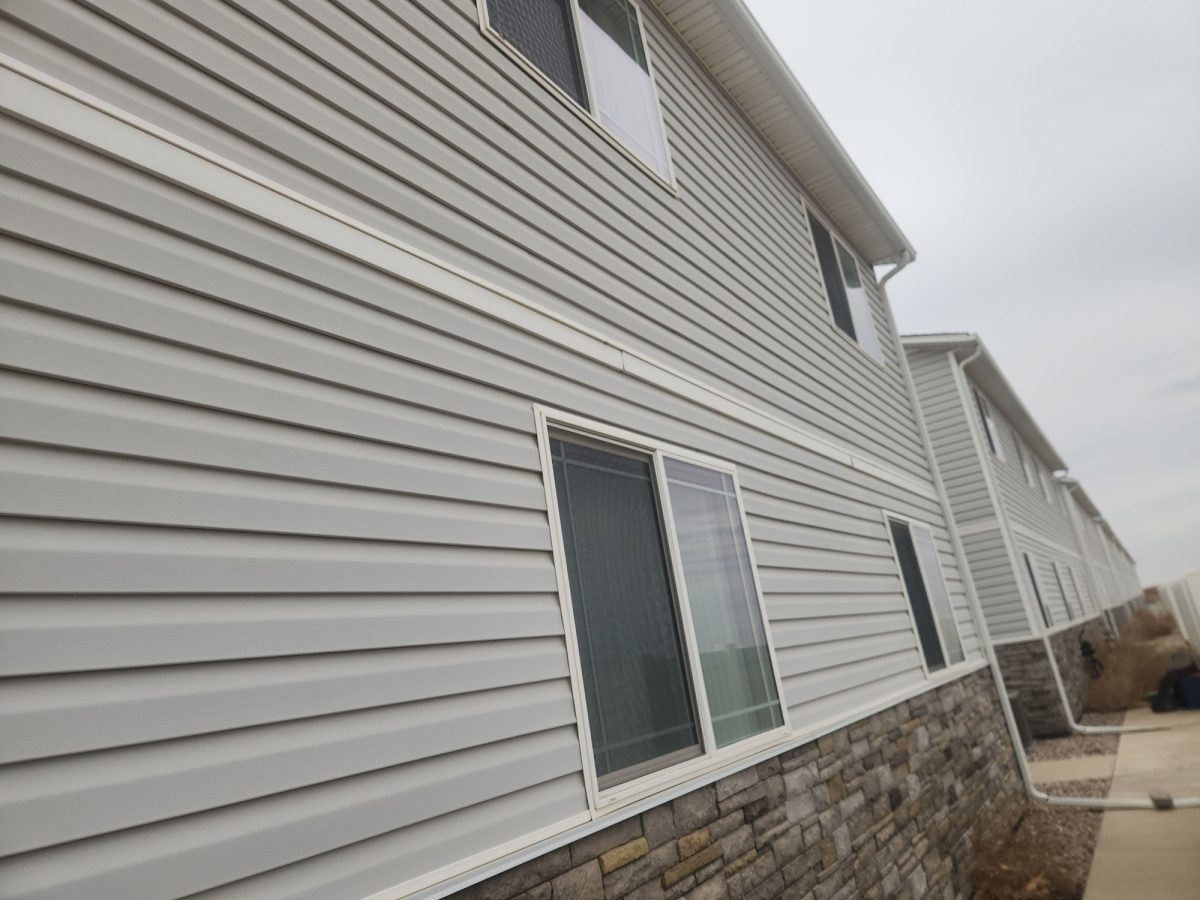
Siding Options for Colorado’s Climate: Durability, Maintenance & Performance

Colorado Climate Challenges for Siding

Siding in Colorado has a tough job. It must withstand searing UV rays at high altitude, freezing nights, heavy snow, and the sudden impact of hail. Some vinyl siding can turn brittle in the cold, and untreated wood siding dries out over time. So, what works?

Fiber Cement Siding (James Hardie)

Pros: Non-combustible, resists rot and pests, holds paint well.
Cons: Heavy, difficult to install, brittle upon impact (can crack from large hail).

Verdict: A strong choice where fire resistance matters, installed by experienced crews.

Engineered Wood Siding (LP SmartSide)

Pros: Good impact resistance, looks like real wood, treated against rot and termites.
Cons: Is combustible (though treated), requires painting edges carefully to prevent water swelling.

Verdict: A good all-around choice where hail is the main concern.

Vinyl Siding: Affordability & Limitations

Pros: Lower cost, no painting required.
Cons: Can crack from impacts in cold weather and can fade in strong sun.

Verdict: A budget-friendly option; we can help you compare grades.

Comparison Table

Feature Fiber Cement Engineered Wood Vinyl
Hail impact Can crack from large hail Handles impact well Can crack or hole
Fire Non-combustible Combustible (treated) Can deform near high heat
Cold weather Good Good Can turn brittle

Siding Recommendations by Elevation

  • Denver Metro (Hail Risk): Engineered wood (LP SmartSide) is a good fit where hail is the main concern.
  • Mountain / Foothills (Fire Risk): Fiber cement (James Hardie) is a common choice where wildfire risk is high; check your local code.

Planning exterior work beyond the roof? See our siding replacement services, or how we plan windows and siding with your roof.

When a roof is past saving, here is how our roof replacement process works.

What working with us looks like: We inspect your roof for free, typically within 24 to 48 hours, and walk you through the photos of what we find. If you go ahead, your dedicated project manager sends a prep email before your build, keeps you updated every day, and we finish with a magnetic nail sweep and a final walkthrough with you. Residential roofs carry our 5-year workmanship warranty. Call (303) 808-0687 or schedule a free inspection.

Categories
HOAs/Property Managers Warranty & Insurance

Understanding Roofing Warranties for HOA Boards

Why warranties matter to a board

For an HOA board, a roof warranty is part of the paperwork the community will rely on years from now. Board members change, property managers change, and the people who signed the contract may be long gone when a question comes up. The board’s job is to know what each warranty covers, who stands behind it, and where the documents are kept.

The word “warranty” gets used loosely in roofing. A roof usually comes with more than one, and each covers something different.

Material warranty (manufacturer)

The material warranty comes from the shingle or membrane manufacturer. It covers defects in the product itself, such as shingles that crack, curl or lose granules because of a manufacturing problem. It does not cover installation mistakes.

Terms vary by product, and some material warranties are prorated, meaning the coverage decreases over time. Ask for the specific warranty document for the product on your bid, not a brochure summary.

Workmanship warranty (contractor)

The workmanship warranty comes from the roofing contractor and covers how the roof was installed: flashing, fastening, underlayment and penetrations. If a valley leaks because it was not flashed correctly, this is the warranty that applies.

On residential roofs, the Blue Peaks workmanship warranty is 5 years. For community and commercial projects, the workmanship terms are written into the contract, so the board knows exactly what is covered before anyone signs.

A workmanship warranty is only as good as the contractor behind it, so check a contractor’s local history and reputation along with the warranty itself.

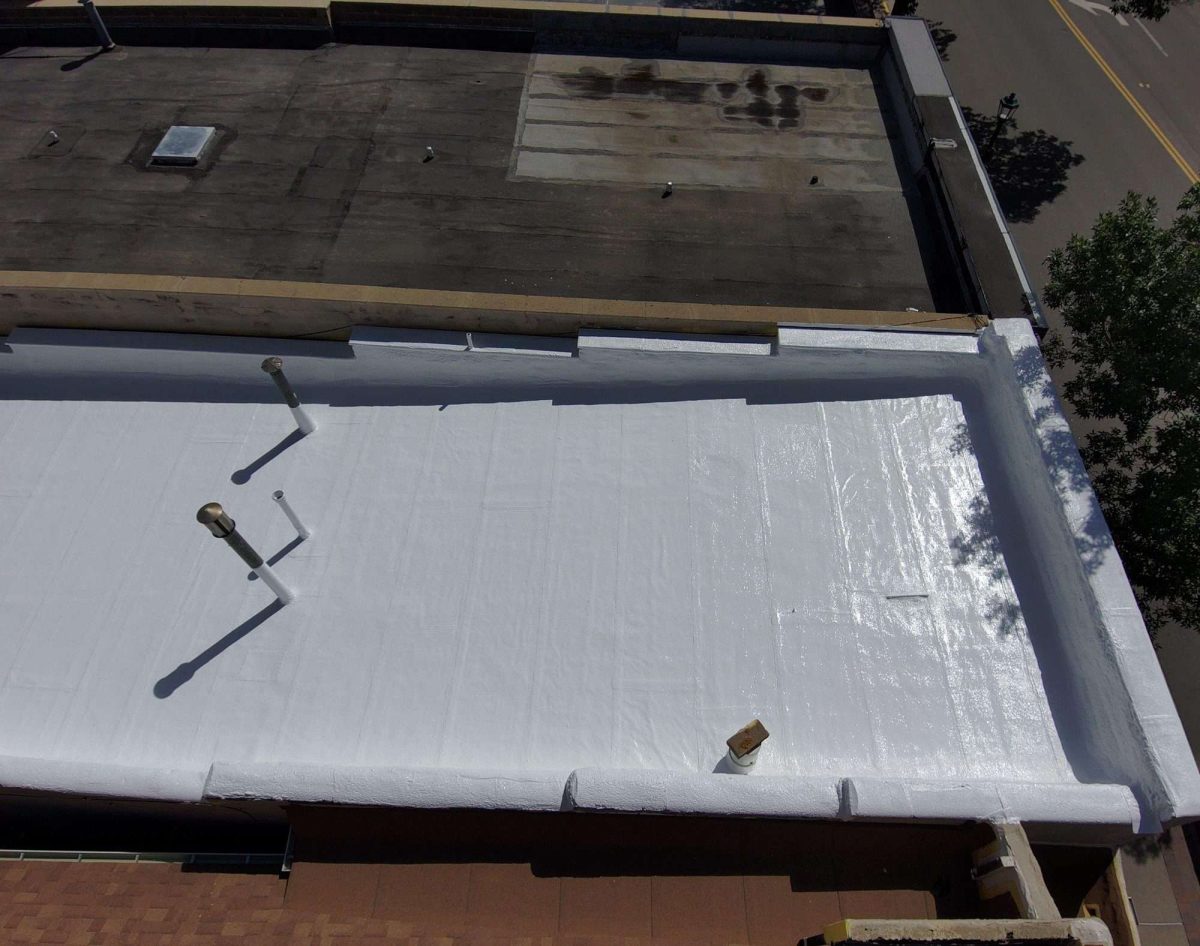
System warranties on commercial low-slope roofs

On some commercial low-slope roofs, a manufacturer can issue a system warranty that covers both the materials and the installation. To offer one, the contractor has to be certified by that manufacturer, and the manufacturer inspects the finished roof before it issues the warranty.

Blue Peaks is certified with Elevate and GenFlex. Terms vary by manufacturer and system, so we walk the board through which options fit the building and what the manufacturer requires.

What warranties usually don’t cover

  • Storm damage: hail, high winds, lightning and similar events are generally excluded.
  • Foot traffic and other trades: damage from HVAC techs, painters, satellite installers or anyone else working on the roof.
  • Neglect: problems caused by clogged drains, gutters or debris left in place.
  • Unapproved alterations: new penetrations, solar panels or dishes added without the installer or manufacturer’s approval.

Protecting your coverage

  • Registration proof at closeout: ask the contractor for proof that the manufacturer warranty was registered.
  • Documented inspections: keep dated photos and notes from regular roof inspections.
  • A roof-access log: record who goes on the roof and why, so damage from other trades can be traced.
  • Prompt leak reporting: report leaks as soon as they are found.

Comparing bids

When the board compares reroof bids, look past the bottom-line price. Ask each contractor for the material, workmanship and any system warranty terms in writing, and compare them line by line: who issues each warranty, what it covers, what it excludes and how long it runs.

“Clarity builds confidence. Confidence builds trust.”

Property managers can learn more about our roofing services for HOAs and property managers.

What working with us looks like: We inspect every building for free and attend board and town hall meetings to answer questions. During the work, a dedicated project manager keeps the board and property manager updated every day, and each building ends with a magnetic nail sweep and a walkthrough. Call (303) 808-0687 or schedule a free inspection.

Categories
HOA Planning HOAs/Property Managers

Phased vs Full Roof Replacement for HOAs: Which Strategy Fits?

Understanding Phased vs Full Replacement

When an HOA community’s roofs reach end-of-life, the Board faces a massive logistical and financial decision: Rip the band-aid off (Full Replacement) or take it slow (Phased Replacement). There is no “right” answer, only the answer that fits your community’s specific financial health and tolerance for disruption.

Financial Planning & Reserve Funding

Full Replacement: requires a large outlay up front. It can capture volume pricing and locks in today’s prices, but it can strain reserves or require a loan.

Phased Replacement: spreads the cost over several years. This aligns better with annual reserve contributions, but later phases are exposed to price increases on materials and labor, so the total cost is often higher.

Pros and Cons Comparison

Full Replacement Strategy

  • Pros: Volume pricing, prices locked in, a consistent look right away, one warranty start date.
  • Cons: Massive disruption (community becomes a construction zone), high immediate cash demand, logistical stress.

Phased Replacement Strategy

  • Pros: Protects cash flow, manageable disruption sections, flexibility to pause if funds get tight.
  • Cons: Higher total project cost (loss of scale + inflation), “checkerboard” appearance if shingle colors are discontinued, tracking multiple warranty dates.

Material Consistency & Warranty Implications

A major risk of phasing is shingle dye lots. Manufacturers change colors slightly over years. A “Weathered Wood” shingle installed in 2026 might not match one installed in 2029. Full replacement keeps the color uniform.

When Phased Replacement Makes Sense

  • Reserves are healthy but not fully funded for the total scope.
  • The community is too large to replace in one season.
  • Roof deterioration is uneven (e.g., south-facing slopes are failing, north-facing are fine).

When Full Replacement Makes Sense

  • Reserves are fully funded or a loan/special assessment is approved.
  • Pricing is volatile, and the Board wants to hedge against inflation.
  • The roofs are failing uniformly, and delaying phases risks leaks in the later buildings.

Planning Your HOA’s Roofing Strategy

Blue Peaks can price a full replacement and a phased plan side by side, so the Board can compare options before it votes.

Boards planning a community project can see how we handle HOA and multi-family roofing.

Property managers can learn more about our roofing services for HOAs and property managers.

What working with us looks like: We inspect every building for free and attend board and town hall meetings to answer questions. During the work, a dedicated project manager keeps the board and property manager updated every day, and each building ends with a magnetic nail sweep and a walkthrough. Call (303) 808-0687 or schedule a free inspection.

Categories
Commercial Owners HOA Planning Property Managers

How Roof Maintenance Helps HOAs and Owners Plan Capital Costs

Reactive vs. planned maintenance

Many community and commercial roofs are managed reactively: nobody looks at the roof until water shows up inside. By then, a small problem like a clogged drain or a loose flashing can have spread into wet insulation or damaged decking.

Planned maintenance flips that around. The roof gets looked at on a schedule, small problems get handled while they are small, and the board or owner has a clearer picture of what is coming.

What planned maintenance covers

  • Inspections: a regular walk of the roof, with photos, to spot damage and wear.
  • Drains and gutters: clearing drains, scuppers, gutters and downspouts so water can leave the roof.
  • Debris: removing leaves, branches and anything left behind by other trades.
  • Sealant and flashing touch-ups: resealing small gaps at flashing, penetrations and edges before they leak.

Records that support the board

When a board or owner is asked why money is being spent on a roof that isn’t leaking, the maintenance records are the answer. Dated photos of what was found, notes on what was fixed and logs of cleared drains show that the roof is being looked after.

Records matter for warranties too. Many manufacturer warranties require proof of maintenance, so keeping those records helps protect the coverage you already paid for.

Using inspection findings in reserve planning

Inspection reports give a board real information to plan around. Photos and condition notes help separate roofs that need attention soon from roofs that can wait, so reserve contributions and timing are based on what is actually on the roof rather than a guess.

Start with a free inspection

If you manage an HOA or commercial property and want to know where your roofs stand, schedule a free inspection. We’ll document what we find with photos and explain it in plain language, so your board has clear information for its next planning meeting. Contact us or call 303-808-0687. Ask about our roof maintenance programs.

Property managers can learn