
Blue Peaks Roofing
Categories
Uncategorized

Metal Roof vs. Shingle Roof in Colorado: How to Choose

Short answer: for most Colorado homes, an impact-resistant asphalt shingle roof is the better value, and standing seam metal is a long-term option. Metal sheds snow and is built for a long service life, but it costs more up front. In hail country, impact resistance, budget and how long you plan to stay matter more than the material name.

Why the choice matters in Colorado

Front Range roofs deal with strong sun at altitude, daily freeze-thaw swings, heavy spring snow and frequent hail. Both asphalt shingles and metal can handle those conditions when the right product is installed correctly. The better choice depends on your budget, your timeline and, for HOAs, your community rules.

Asphalt shingles: the practical standard

Asphalt shingles are a common choice in Colorado because they are affordable, familiar and quick to install and repair. Architectural shingles add depth and work with almost any home style.

Shingles make the most sense when:

  • Budget is the main constraint, since they have the lowest installed cost.
  • You need the work done fast. A shingle reroof usually takes less time than metal.
  • Your HOA requires a shingle look.
  • You want a roof that is easy to repair one shingle at a time.

Not all shingles are equal. In Colorado, Class 4 impact-resistant shingles are worth a close look. We often start with Atlas, and we also install TAMKO. Many use a rubberized asphalt that flexes on impact instead of cracking, while standard shingles bruise and lose granules in hail.

Metal roofing: a long-term system

Standing seam metal uses large panels with hidden fasteners. It sheds water, snow and ice well, carries a Class A fire rating, and is built for a long service life. It is a strong fit when:

  • You plan to stay in the home long term.
  • Fire resistance matters, such as near open space or in the foothills.
  • You want snow to shed off the roof.
  • You want a distinct, modern look.

If you choose metal, standing seam is usually a better choice than exposed-fastener panels. Exposed fasteners rely on rubber washers that dry out over time, while standing seam panels can expand and contract without opening the roof.

Which holds up better to Colorado hail?

No roof is immune to hail, but the damage looks different. Hail on standard asphalt knocks granules loose and can fracture the mat, which shortens the roof’s life. Impact-resistant shingles resist that cracking much better. Metal usually dents rather than leaks, but dents are permanent and can show. If you choose metal in a hail-prone area, ask about heavier gauge panels or textured finishes that hide small dents.

Which lasts longer?

Metal generally comes out ahead, while asphalt shingles tend to wear out sooner in Colorado’s sun and storms. How long any roof lasts depends on the product, the installation and the storms it sees.

Which costs more?

Metal costs more than asphalt shingles up front. Whether that pays off depends on how long you stay:

  • Selling in the next few years: shingles are usually the smarter financial move. You are unlikely to recover the extra cost of metal at resale.
  • Staying long term: metal can cost less over time because you avoid a second roof replacement.
  • HOA or community roofs: metal can lower long-term reserve needs but needs more funding up front.

Notes for HOA boards and property managers

  • Consistency: switching from shingles to metal changes the look of the community and may require an owner vote.
  • Reserves: a reserve study built on shingle costs will not cover metal without a loan or assessment.
  • Repairs: matching aged metal panels on one unit is harder than blending shingles.
  • Snow shedding: metal roofs can drop snow onto walkways and cars unless snow guards are installed.

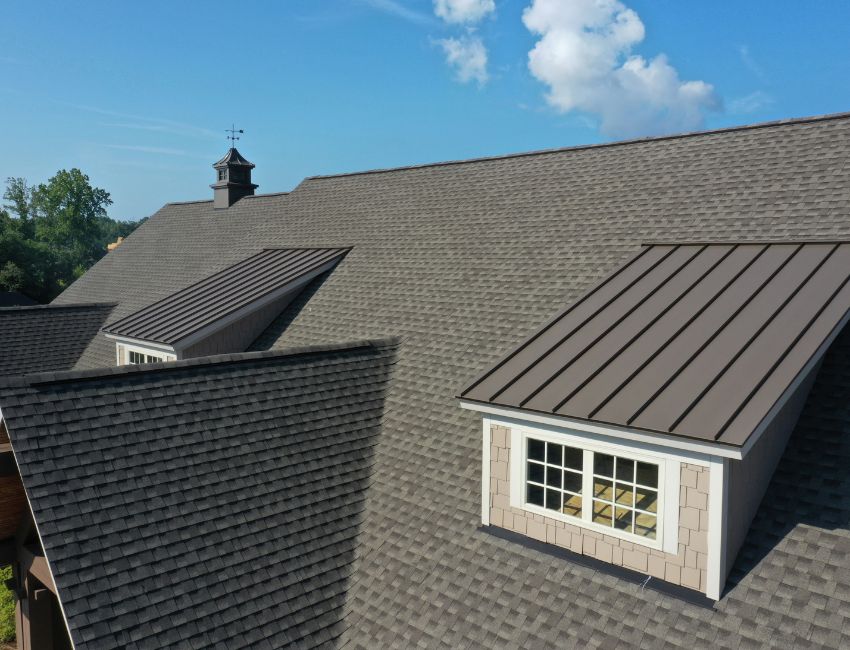
Many communities use metal as an accent on clubhouses or bay windows and keep shingles on the main roofs.

Which is better for your home?

Choose impact-resistant shingles if you want strong hail protection at a moderate price or your HOA requires a shingle look. Choose standing seam metal if you want a long service life, snow shedding and fire resistance and you are comfortable with the higher upfront cost. Both are solid choices on the Front Range.

FAQ

Is a metal roof worth it in Colorado?

For long-term owners, often yes. It is built for a long service life, sheds snow and handles hail well, though it costs more up front than shingles.

Do metal roofs get damaged by hail?

Severe hail can dent metal, but it rarely causes leaks. Ask about heavier gauge panels or textured finishes if dents are a concern.

Are metal roofs noisy in rain or hail?

Not with solid decking and proper underlayment. A metal roof installed over sheathing is about as quiet as shingles.

Which is cheaper to repair?

Shingles, generally. Individual shingles are easy to replace, while metal repairs are more specialized.

Ready to compare options for your home? See how our roof replacement process works, or learn more about our residential roofing services. You can also read how long a roof lasts in Colorado.

What working with us looks like: We inspect your roof for free, typically within 24 to 48 hours, and walk you through the photos of what we find. If you go ahead, your dedicated project manager sends a prep email before your build, keeps you updated every day, and we finish with a magnetic nail sweep and a final walkthrough with you. Residential roofs carry our 5-year workmanship warranty. Call (303) 808-0687 or schedule a free inspection.
Categories
Uncategorized

How Long Does a Roof Last in Colorado?

How long a roof lasts in Colorado depends on the material, the installation and the weather it sees. Hail, intense high-altitude UV, and wind wear roofs out faster here than in milder climates. Asphalt shingles generally wear out first, while metal and concrete tile are built for a longer service life. Hail damage often ends a roof’s life sooner, no matter its age.

How long does a roof last in Colorado?

It depends on the material. Standard asphalt shingles wear out first, impact-resistant shingles resist hail better, and metal and concrete tile are built for a longer service life. Any of them will wear faster here than in a milder climate, because the Front Range sees frequent hail and strong high-altitude sun.

Why do roofs wear out faster in Colorado?

Four forces wear on roofs here. Hail cracks and bruises shingles and knocks off the protective granules. Intense UV at altitude in Littleton and across the metro bakes and dries shingles year-round. High-wind events lift and tear shingles, and the constant freeze-thaw cycle works moisture into any weak spot. Together they can shorten a roof’s service life.

How long do asphalt shingles last?

Basic 3-tab shingles generally wear out first, architectural shingles hold up longer, and impact-resistant Class 4 shingles resist hail better. In Colorado, storms and sun usually shorten shingle life compared with milder climates. Impact-resistant shingles are popular here because they resist hail damage. We often start with Atlas, and we also install TAMKO.

How often should you replace your roof?

There is no fixed schedule. Replace an asphalt roof when it shows its age, or sooner if a hail or wind storm damages it. Rather than watching the calendar, watch the roof: granules in the gutters, curling or missing shingles, and daylight or stains in the attic are the real signals. An inspection after any major storm tells you whether you are near the end.

How do I know if an older roof is too old?

Age alone doesn’t decide it. Many older asphalt roofs in Colorado show serious wear, so if your roof has been on for a long time, have it inspected so you know where it stands before the next hail season.

What are the signs a roof is near the end?

Watch for shingles that are curling, cracking, or missing, bald spots where granules have worn away, granules collecting in the gutters, sagging areas, and water stains on interior ceilings. Any of these on an older roof means it is time for a professional look before a leak starts.

FAQ
How long does a roof last in Denver?

It depends on the material and the storms it sees. Asphalt shingles wear fastest under Denver’s hail and sun, while metal and concrete tile are built for a longer service life.

Does hail shorten a roof’s lifespan?

Yes. A single strong hail storm can damage a roof enough to require replacement years before it would have worn out.

Do impact-resistant shingles last longer in Colorado?

They resist hail better than standard shingles. We often start with Atlas, and we also install TAMKO. See our impact-resistant shingles page.

How do I know if my roof needs replacing?

Look for granule loss, curling or missing shingles, and interior stains, then get an inspection, especially after a hail storm.

Related services: Roof Replacement | Roof Repair | Hail Damage Inspection

More from the blog: How Do You Know If Your Roof Has Hail Damage?

When a roof is past saving, here is how our roof replacement process works.

Not sure what you are looking at? Schedule a free hail damage roof inspection.

What working with us looks like: We inspect your roof for free, typically within 24 to 48 hours, and walk you through the photos of what we find. If you go ahead, your dedicated project manager sends a prep email before your build, keeps you updated every day, and we finish with a magnetic nail sweep and a final walkthrough with you. Residential roofs carry our 5-year workmanship warranty. Call (303) 808-0687 or schedule a free inspection.

Categories
Uncategorized

How Do You Know If Your Roof Has Hail Damage?

You can spot roof hail damage by looking for dark, bruised spots on shingles, bare patches where granules have washed into the gutters, dented metal vents and flashing, and cracked or shattered shingles. Much hail damage is not visible from the ground, so after a Colorado hail storm, have a professional inspect the roof.

How do you know if your roof has hail damage?

The clearest signs are round, dark bruises on shingles where the granules are knocked loose, granules piling up in gutters and downspouts, and dents on soft metal like vents, gutters, and flashing. You may also see cracked or missing shingles after a strong storm. Because roofs are hard to see and walk safely, a professional inspection confirms the damage.

What does hail damage look like on a roof?

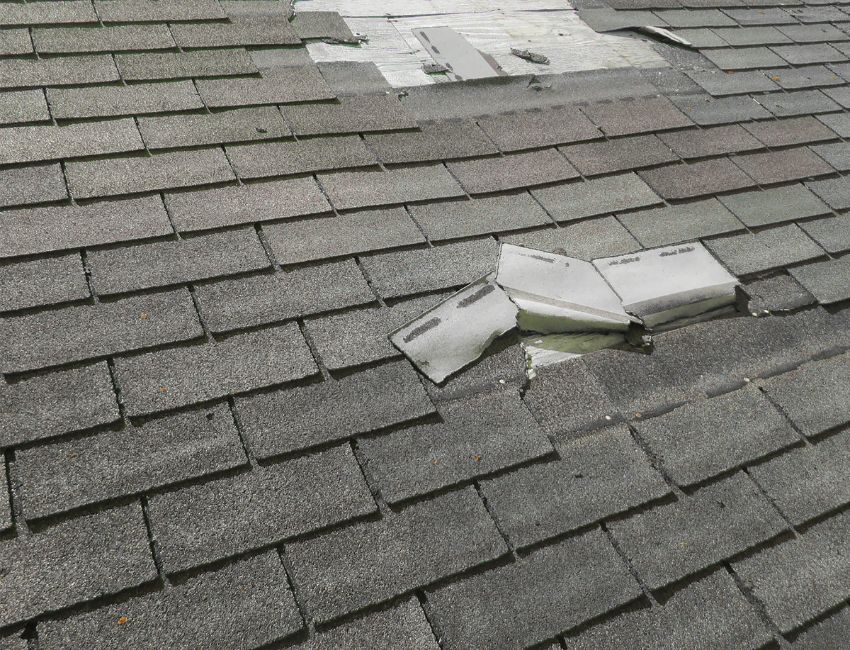
On asphalt shingles, hail leaves dark, circular spots that feel soft or bruised, with the protective granules knocked away to expose the black mat underneath. Larger hail can crack or puncture shingles outright. On metal surfaces, hail leaves visible dents. The granule loss is the important part, because it is what exposes the shingle to the sun and shortens its life.

What does minor hail damage look like?

Minor hail damage can be easy to miss: scattered soft spots, light granule loss, and a few dented vents. It may not leak right away, which is exactly why it gets overlooked. But even minor damage removes granules and speeds up aging, so it still matters. An inspector can tell you whether the hits are cosmetic or need repair.

Does a roof with hail damage need to be replaced?

Not always. Light, scattered damage can sometimes be monitored or spot-repaired, while widespread bruising and granule loss usually calls for full replacement. How densely the hits cover the roof matters. A professional inspection tells you whether repair or replacement is the right call.

How soon after a storm should I get an inspection?

As soon as it is safe. Early photos give you the clearest record of what the storm did, and damage that doesn’t leak yet can cause leaks later.

Should you get a professional inspection after a storm?

Yes. A professional inspection tells you whether you have damage and what it means. We inspect the roof, document what we find with photos, and tell you honestly whether you need a repair, a replacement or nothing at all. Blue Peaks Roofing inspects roofs across the Denver metro after hail storms.

FAQ
Can you see hail damage from the ground?

Usually not clearly. Dented gutters may hint at it, but most shingle damage needs a close-up inspection to confirm.

How big does hail need to be to damage a roof?

Size alone doesn’t tell you. Smaller hail can still damage worn shingles, and larger hail causes more obvious harm. An inspection tells you what happened.

Will hail damage cause a leak right away?

Not always. Damage often removes granules and weakens shingles first, leading to leaks months later, which is why early inspection matters.

Is a roof inspection free after a hail storm?

Yes. Blue Peaks hail damage inspections are free, with no obligation.

Related services: Hail Damage Inspection | Roof Repair

More from the blog: How Long Does a Roof Last in Colorado? | Metal Roof vs. Shingle Roof in Colorado

If the problem is limited to one area, our roof repair team can usually fix it without a full replacement.

What working with us looks like: We inspect your roof for free, typically within 24 to 48 hours, and walk you through the photos of what we find. If you go ahead, your dedicated project manager sends a prep email before your build, keeps you updated every day, and we finish with a magnetic nail sweep and a final walkthrough with you. Residential roofs carry our 5-year workmanship warranty. Call (303) 808-0687 or schedule a free inspection.

Categories
Uncategorized

Does Homeowners Insurance Cover Roof Replacement in Colorado?

Yes, Colorado homeowners insurance usually covers roof replacement when the damage is sudden, such as hail or wind, minus your deductible. It does not cover wear, age, or neglect. Most Colorado policies pay replacement cost value, releasing depreciation after the work is finished. A covered storm is the common path to a new roof here.

Does homeowners insurance cover roof replacement in Colorado?

In most cases, yes, when a covered peril like hail or windstorm causes the damage. Your policy pays to replace the roof minus your deductible, up to your limits. What it will not pay for is a roof that simply wore out from age or lack of maintenance. Because the Front Range gets so much hail, storm-related replacement is common and routinely covered.

What roof damage is covered by insurance?

Sudden, accidental damage is covered: hail, wind, fallen tree limbs, and storm debris. Damage that builds up slowly is not, including general wear, age, poor installation, and neglected maintenance. The key question an adjuster asks is whether the damage came from a single event or from time. Hail and wind are the two covered causes most Colorado claims are built on.

How old can a roof be before insurance will not cover it?

There is no single cutoff, but many insurers shift older roofs, often around 15 to 20 years, from replacement cost value to actual cash value, or add higher deductibles. A very old or already-worn roof may be harder to insure fully. If your roof is aging, check your policy language before a storm so you know how a claim would be paid.

What is the difference between ACV and RCV?

Replacement cost value (RCV) pays what it costs to replace the roof today, releasing the withheld depreciation after the work is completed. Actual cash value (ACV) pays the depreciated value and keeps that depreciation, so you receive less. Most standard policies on newer roofs are RCV; older roofs are more likely to be written as ACV. Which one you have changes your out-of-pocket cost significantly.

How do you file a roof insurance claim?

Move in this order after a storm:

  1. Get a professional inspection to confirm you have covered damage.
  2. Document everything with photos and the date of the storm.
  3. File the claim with your insurer and note your deductible.
  4. Be available for the adjuster visit and keep your inspection photos handy.
  5. Complete the work with a licensed contractor and submit the paperwork to release depreciation.
What is roof depreciation, and do you get it back?

Depreciation is the amount your insurer holds back for the age and wear of the old roof. With a replacement cost policy, that held-back depreciation is recoverable: once the new roof is installed and the final invoice is submitted, the insurer releases it to you. With an actual cash value policy, you do not get it back. This is why RCV coverage matters so much on a roof claim.

FAQ
Will filing a roof claim raise my premium?

A single storm claim may not, but multiple claims can. Widespread hail events are common in Colorado and are often treated differently than at-fault claims.

Do I pay my deductible on a roof claim?

Yes. You pay your deductible, and insurance covers the rest of a covered replacement up to your limits.

Can I choose my own roofing contractor?

Yes. In Colorado you choose your contractor; your insurer can recommend one, but the decision is yours.

What if my claim is denied?

You can request a re-inspection or a second opinion. A licensed roofer can document the damage so you have photos and measurements to support your request.

This is general information, not insurance or legal advice. Confirm coverage details with your own policy and agent.

Related services: Storm & Hail Damage Restoration | Roof Replacement | Free Roof Inspection

More from the blog: How Do You Know If Your Roof Has Hail Damage? | What Should You Do After a Hail Storm?

Not sure what you are looking at? Schedule a free hail damage roof inspection.