

For a homeowner in Littleton, CO, the roof is not just a structural necessity; it is a vital shield against one of the most volatile atmospheric environments in the United States. Perched along the Front Range, our community experiences a unique meteorological cocktail: intense high-altitude UV radiation, sudden plummeting temperatures, and the notorious seasonal barrage of hail. When these forces converge, the transition from a pristine roof to one in desperate need of a professional intervention can happen in the span of a single afternoon storm.
In 2026, the philosophy of home maintenance has shifted. We no longer wait for a ceiling stain to appear before considering the health of our overhead protection. Understanding the mechanics of roof repair is now a fundamental part of responsible property ownership. At Blue Peaks Roofing LLC, we have observed that the difference between a minor localized fix and a catastrophic total replacement often comes down to the homeowner’s ability to recognize early warning signs and understand the technical demands of the Colorado climate.
The High-Altitude Factor: Why Colorado Roofs Age Differently
Littleton sits at an elevation that subjects building materials to stresses rarely seen in coastal or Midwestern regions. This geographical reality dictates a specific approach to maintenance and restoration.
The UV Degradation Cycle
At 5,300 feet, the atmosphere provides less protection from ultraviolet rays. UV light is a constant catalyst for chemical changes in asphalt shingles. Over time, the oils that keep shingles flexible begin to evaporate, leading to a condition known as “thermal shock.” As the shingles become brittle, they lose their ability to expand and contract with Littleton’s rapid temperature swings. This brittleness is the primary precursor to cracks and granule loss, making regular inspections a non-negotiable part of the roof repair lifecycle.
The Impact of Diurnal Temperature Swings
It is not uncommon in our region for a 70-degree sunny afternoon to be followed by a 20-degree night. This 50-degree fluctuation causes materials to move. Metal flashing, asphalt shingles, and wooden decking all have different rates of thermal expansion. When these materials pull against one another, seals can break, and nails can “back out,” creating microscopic entry points for moisture. A professional repair focuses on re-establishing these critical junctions to ensure the system moves as a cohesive unit.
Anatomy of an Unseen Leak: The Technical Progression
Most property owners equate a leak with a dripping bucket in the attic, but the reality of water intrusion is far more insidious. By the time water is visible inside the home, the structural damage has likely been occurring for months.
The Capillary Action Trap
Water does not always follow a straight path. Through capillary action, moisture can “climb” up the underside of a shingle or travel horizontally along a rafter far from the original point of entry. In Littleton’s winter, this is exacerbated by ice damming. When heat escapes from the attic, it melts the snow on the roof. That water then refreezes at the colder eaves, creating a block that forces liquid water back up under the shingles.
Effective roof repair in 2026 involves more than just swapping shingles; it requires a forensic analysis of the roof’s ventilation and insulation. If the attic is not breathing correctly, the roof is essentially being attacked from both sides—moisture from the sky and condensation from within.
Hail Damage: The Front Range’s Persistent Adversary
If there is one word that defines the roofing industry in Littleton, it is “hail.” Our proximity to the mountains creates the perfect updrafts for large-scale ice formation. However, hail damage is not always as obvious as a shattered skylight.
Identifying “Bruised” Shingles
When a hailstone strikes an asphalt shingle, it creates a “bruise.” This impact displaces the protective mineral granules and fractures the fiberglass mat underneath. While the roof may look intact from the ground, the protective layer is gone. Without those granules, the sun quickly bakes the exposed asphalt, causing it to fail within one to two seasons. Professional roof repair after a hail event focuses on identifying these latent failures before they become active leaks.
The Role of Impact-Resistant Materials
As we move further into 2026, many Littleton residents are opting for Class 4 impact-resistant shingles during their repair or replacement cycles. These materials are engineered to withstand the kinetic energy of hail without fracturing. While the initial investment is higher, the long-term reduction in repair frequency and the potential for insurance premium discounts make it a value-focused choice for the modern homeowner.
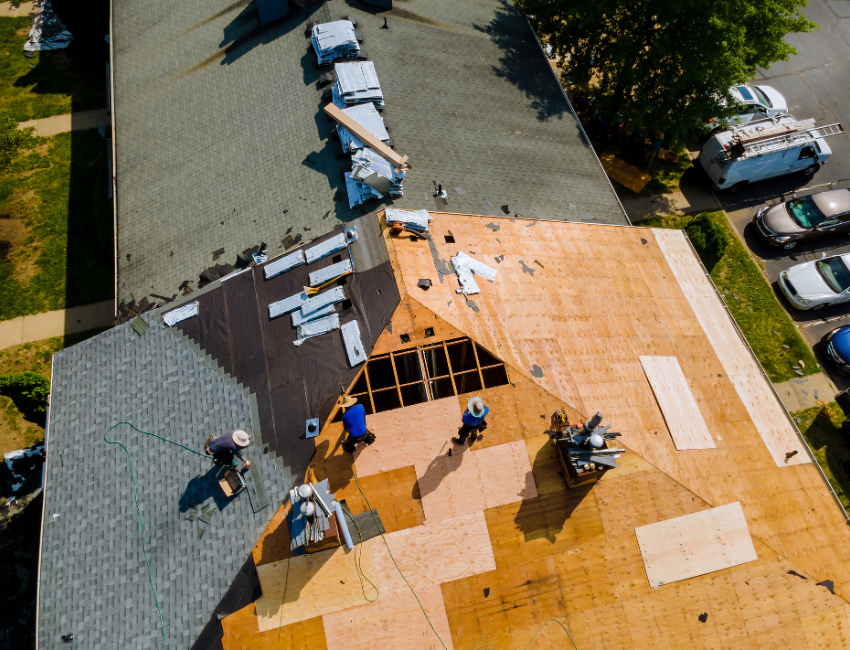
The Critical Junctions: Flashing, Valleys, and Penetrations
When we analyze roof failures, we find that the vast majority occur at the “transitions”—where the roof meets a wall, a chimney, or a vent pipe. These are the most technically demanding areas for any roof repair specialist.
Metal Flashing Fatigue
Flashing is the unsung hero of the roofing system. Usually made of galvanized steel or aluminum, it redirects water away from vertical surfaces. In Littleton, the wind can be fierce enough to lift improperly secured flashing. Once the metal is compromised, water has a direct path to the sub-structure. A common repair involves resealing these areas with high-grade polyurethanes or replacing corroded metal to prevent “slow leaks” that rot the roof deck over time.
Valley Maintenance
Valleys are the high-traffic highways of your roof. They collect and channel massive volumes of water during Colorado’s heavy spring rains. If debris like pine needles or leaves accumulates in these valleys, it creates “dams” that hold moisture against the shingles. Over time, this constant saturation leads to premature deterioration. Ensuring valleys are clear and properly lined is a cornerstone of preventative roof repair.
The Ventilation Equation: Protecting the Deck from Within
A roof is an integrated system, and its longevity is directly tied to the climate inside the attic. Littleton’s cold winters and hot summers make attic ventilation a primary concern for Blue Peaks Roofing LLC.
The Danger of Heat Sequestration
During a Littleton July, attic temperatures can soar above 150 degrees if not properly vented. This extreme heat literally “cooks” the shingles from the bottom up, causing them to curl and lose adhesion. Conversely, in the winter, poor ventilation leads to moisture buildup from household activities (showering, cooking, breathing). This moisture condenses on the cold underside of the roof deck, leading to mold and wood rot.
A comprehensive roof repair strategy often includes the installation or optimization of ridge vents, soffit vents, and solar-powered attic fans. By balancing the intake and exhaust of air, we ensure the roof deck remains dry and the shingles stay within their designed operating temperature.
Safety and Structural Integrity: The Professional Edge
Many homeowners are tempted by the “DIY” approach to minor repairs, but roofing remains one of the most hazardous home maintenance tasks. Beyond the obvious risk of falls, there is the risk of misdiagnosis.
Load-Bearing Assessments
In Littleton, our roofs must be capable of holding significant snow loads. A roof that has been weakened by water damage may lose its structural capacity. Professional roofers are trained to identify “soft spots” in the decking that indicate the wood has lost its integrity. Simply nailing a new shingle over rotted plywood is a cosmetic fix that ignores a dangerous underlying problem.
The Importance of Proper Fastening
The “Windy City” might be Chicago, but Littleton gets its fair share of high-velocity gusts coming off the Rockies. If shingles are not nailed within the exact “strike zone” designated by the manufacturer, they will not have the rated wind resistance. Professional roof repair ensures that every fastener is driven to the correct depth and at the correct angle to withstand 90+ mph winds.
Material Evolution in 2026: The Tools of the Trade
The roofing industry is in a state of constant innovation. The materials we use for roof repair today are significantly more advanced than those used even five years ago.
Self-Healing Underlayments
Modern ice and water shields are now designed with “self-healing” properties. When a nail is driven through the underlayment, the material creates a watertight gasket around the shank. This is particularly important in Littleton, where ice damming is a frequent threat. These high-tech barriers provide a second line of defense that keeps the home dry even if the primary shingles are damaged.
Advanced Sealants
Gone are the days of brittle “roofing tar” that cracks after one season. Today’s repairs utilize tri-polymer sealants that remain flexible in sub-zero temperatures and are resistant to high-altitude UV rays. These sealants allow the roof to “move” without breaking the waterproof bond, which is essential for the longevity of flashing repairs and pipe boot replacements.
The Economic Perspective: Repair vs. Replacement
One of the most common questions we hear at Blue Peaks Roofing LLC is whether a roof should be repaired or replaced entirely. In Littleton’s current real estate market, the health of the roof is a major factor in property valuation.
The 25% Rule
Generally, if more than 25% of the roof surface is damaged or showing signs of failure, a total replacement may be more cost-effective in the long run. However, for a well-maintained roof that has suffered localized damage—perhaps from a fallen branch or a specific wind event—a professional roof repair can extend the life of the system by five to ten years.
Protecting the Insurance Claim
In Colorado, insurance companies are becoming increasingly stringent about the age and condition of roofs. Neglecting necessary repairs can lead to a denial of coverage during a future hail event. By documenting regular maintenance and professional repairs, Littleton homeowners can demonstrate “due diligence,” which is vital for a smooth insurance process.
Historical Homes and Littleton’s Architectural Diversity
Littleton is home to a beautiful range of architecture, from the historic brick homes near Downtown to the mid-century moderns in Arapahoe Acres and the newer builds in TrailMark. Each of these styles presents different roofing challenges.
Clay Tile and Slate Repair
Older, more prestigious materials like clay tile or slate require a specialized skillset. You cannot simply walk on these roofs without specialized equipment, as the tiles are prone to cracking. Repairing these systems involves sourcing matching materials that fit the aesthetic of the neighborhood while ensuring the underlying waterproofing—which is often the first thing to fail—is modern and robust.
Wood Shake Conversions
Many older Littleton neighborhoods originally featured wood shake roofs. While beautiful, these are highly flammable and often restricted by modern fire codes. When repairing these roofs, we often look for synthetic alternatives that mimic the look of wood but provide the fire rating and hail resistance required in 2026.
Environmental Stewardship: Sustainability in Roofing
In our modern era, we are more conscious than ever of the environmental impact of construction. Roof repair is, in itself, a sustainable practice. By extending the life of an existing roof, we keep thousands of pounds of asphalt shingles out of local landfills.
Recyclable Materials
When a repair does require the removal of materials, we make every effort to utilize recycling programs. Old asphalt shingles can be ground down and used in road paving projects across Colorado. Furthermore, we often recommend “cool roof” technologies during the repair process—shingles that reflect more sunlight and absorb less heat, reducing the energy demand on the home’s air conditioning system during Littleton’s hot August afternoons.
The Homeowner’s Checklist: When to Call for a Repair
While a professional inspection is the only way to be certain, there are several signs Littleton residents can look for from the safety of the ground:
- Granule Accumulation: Check your downspout exits. If you see what looks like coarse sand, your shingles are losing their UV protection.
- Visible “Dips”: Look at the ridgeline and the planes of the roof. Any sagging indicates structural moisture damage to the decking.
- Curled or Clawed Shingles: If the edges of the shingles are turning upward or under, the asphalt has dried out, and the shingle is no longer shedding water.
- Interior Indicators: Peeling paint near the ceiling, brown rings on the drywall, or a musty smell in the attic are all late-stage signs of a required roof repair.
The Blue Peaks Commitment to Littleton
We don’t just work in Littleton; we are part of the community. We understand that your home is likely your largest investment, and the roof is its most important guardian. Our approach to Homepage services is built on the pillars of transparency, technical excellence, and long-term value.
In 2026, a roof is more than a layer of shingles—it is a sophisticated system of layers, vents, and seals. When one part of that system fails, the entire home is at risk. Whether it is a minor leak from a weathered pipe boot or significant damage from a late-summer hail storm, we bring the same level of forensic attention to every project.
Conclusion: Longevity Through Vigilance
The Littleton climate is relentless, but it is not unconquerable. By shifting our perspective from “emergency response” to “active stewardship,” we can ensure our homes remain dry, safe, and efficient. Professional roof repair is not a cost; it is an investment in the structural future of your property. It is the science of preventing the small crack from becoming a major breach.
As the Front Range continues to grow and our weather patterns become increasingly unpredictable, the value of a trusted roofing partner becomes immeasurable. At Blue Peaks Roofing LLC, we remain dedicated to the homeowners of Littleton, providing the expertise needed to navigate the challenges of Colorado living.
Don’t wait for the next storm to test your roof’s integrity. Take a proactive stance, understand the mechanics of your home, and ensure your shield is ready for whatever the Colorado sky decides to deliver.