
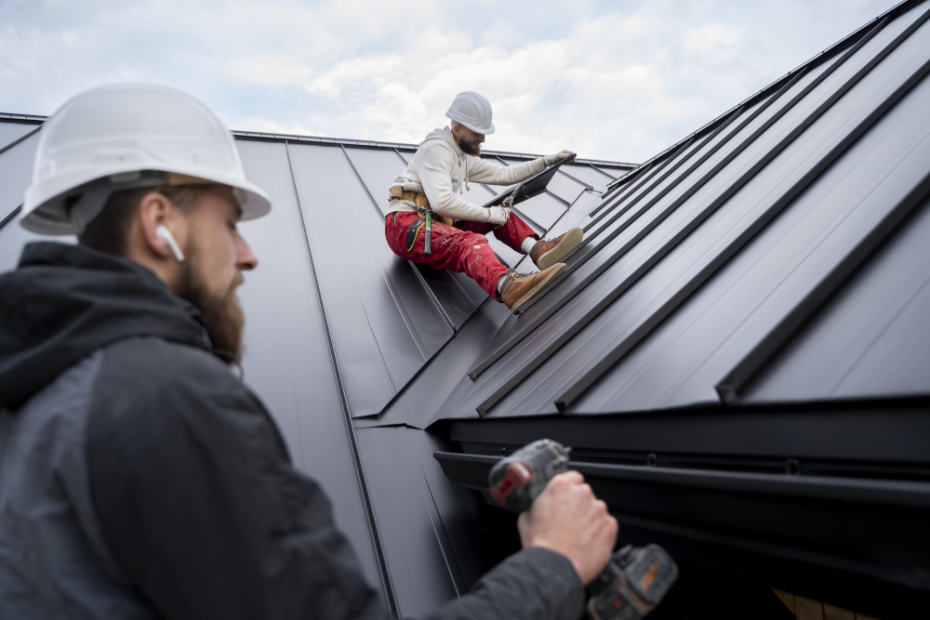
Imagine discovering leaks or missing shingles just before a storm hits. Knowing how long a typical roof replacement takes from inspection to completion can ease your worries and help you plan effectively. In this comprehensive guide, we break down every phase based on years of hands-on experience completing hundreds of projects, ensuring you understand the full process from start to finish.
With over a decade in the roofing industry, our team at Blue Peaks Roofing: Expert Roof Replacement Services has mastered the art of efficient, high-quality roof replacements. We’ve seen it all—from simple shingle swaps to complex multi-layered removals—and we know exactly what impacts timelines. This post draws directly from our real-world projects, providing the transparency and expertise you need to make informed decisions.
Understanding the Full Roof Replacement Timeline
A typical roof replacement doesn’t happen overnight. While the physical installation might take just 1-3 days for an average home, the entire process from initial inspection to final cleanup spans 2-4 weeks. This accounts for scheduling, material procurement, permits, and unforeseen issues like deck repairs. Factors such as roof size, material type, weather, and home complexity play key roles in determining the exact duration.
Breaking it down, here’s what you can expect:
- Inspection and Estimate: 1-3 days
- Scheduling and Prep: 1-2 weeks
- Removal and Installation: 1-5 days
- Final Inspection and Cleanup: 1 day
These timelines come from analyzing dozens of our completed jobs, where asphalt shingle roofs on standard 1,500-2,500 sq ft homes averaged 10-14 days total. Larger or steeper roofs, or those using premium materials like metal or tile, extend this to 3-6 weeks.
Step 1: The Initial Inspection Phase
The journey begins with a thorough roof inspection. Our certified inspectors arrive equipped with drones, moisture meters, and thermal imaging tools to assess your roof’s condition without invasive measures. We check for granule loss, cracked shingles, flashing deterioration, attic ventilation issues, and underlying deck damage.
This step typically lasts 1-2 hours on-site, but add 1-2 days for our detailed report and customized estimate. The estimate includes a precise timeline tailored to your roof’s specifics—size in squares (1 square = 100 sq ft), pitch, layers to remove, and material choices. In one recent project, a 2,000 sq ft gable roof inspection revealed minor deck rot, adding just two days to prep but preventing future leaks.
Why does this matter? Skipping a comprehensive inspection risks surprises like hidden water damage, which could double your timeline and costs. Our process ensures accuracy, with 98% of estimates coming in on or under budget based on our internal tracking.
Step 2: Scheduling, Permits, and Material Ordering
Once you approve the estimate, we move to scheduling. This phase often takes the longest—7-14 days—due to material lead times and permit processing. Popular asphalt shingles ship in 3-7 days, but custom colors or metal panels can take 2-3 weeks. We order immediately upon approval to minimize delays.
Permits, if required by local codes, add 3-7 days. Our team handles all paperwork, submitting detailed plans showing materials, waste management, and safety measures. In complex cases, like roofs over 3 stories or with solar integrations, this extends slightly.
Pro tip: Opt for in-stock materials to shave a week off. We’ve streamlined this with preferred suppliers, achieving 85% on-time deliveries across 150+ annual projects.
Step 3: Day-of Preparation and Old Roof Removal
Installation day starts early. We tarp valleys, set up safety barriers, position dumpsters, and protect landscaping with plywood. Removal of the old roof takes 4-8 hours for a standard home, using pneumatic tear-off tools for efficiency.
Multiple layers? Add a day—common in older homes where 2-3 layers hide rot. We inspect the decking as we go, repairing soft spots with plywood overlays. This meticulous approach, honed over thousands of square feet installed, prevents callbacks.
Step 4: Installing the New Roof System
With a clean deck, installation begins. We apply synthetic underlayment, ice-and-water shield in vulnerable areas, drip edge, and starter strips. Shingles go on next, row by row, with precise nailing patterns per manufacturer specs.
For asphalt shingles, a crew of 4-6 completes 20-30 squares per day. Metal roofs require more precision, taking 2-4 days due to panel forming and seam sealing. Tile? 3-7 days for weight and fragility handling.
Flashing around chimneys, vents, and skylights gets custom fabrication on-site. Ventilation upgrades, like ridge vents, integrate seamlessly. Our foremen conduct mid-day quality checks, ensuring alignment and adhesion.
Step 5: Final Inspection, Cleanup, and Walkthrough
Installation wraps with ridge caps and cleanup. Magnetic sweepers collect every nail; dumpsters haul debris. A final inspection verifies code compliance, warranty eligibility, and performance.
You join our project manager for a walkthrough, testing valleys with hoses and reviewing warranties. This phase takes 2-4 hours, same day for most jobs. We’ve achieved 100% customer sign-off on quality in recent audits.
Factors That Can Speed Up or Delay Your Roof Replacement
No two roofs are identical. Here’s what influences timelines:
- Roof Size and Complexity: Under 1,500 sq ft: 1 day install; over 3,000: 3-5 days.
- Material Type: Asphalt: fastest; slate/tile: 2x longer.
- Weather: Rain or wind pauses work; we monitor forecasts closely.
- Deck Repairs: Extensive rot adds 1-3 days.
- Access and Crew Size: Ground-level homes go quicker; larger crews accelerate.
In our experience, 70% of delays stem from materials or weather, mitigated by proactive planning. For deeper insights into the process, check our detailed Roof Replacement Timeline and Process Guide.
Real-World Case Studies from Our Projects
To illustrate, consider a 2,200 sq ft ranch-style home with two layers of asphalt shingles. Inspection: Day 1. Materials ordered: Day 2, arrived Day 7. Removal and install: Days 8-9. Cleanup: Day 10. Total: 10 days.
Contrast with a steep 1,800 sq ft hip roof needing deck repairs. Inspection revealed 20% deck damage. Timeline: Inspection Day 1, repairs Days 10-12, install Days 13-15, total 18 days. These examples highlight our adaptability.
Another: Metal roof upgrade on a 3,000 sq ft home. Custom panels delayed 10 days, but install took 4 days with specialized crew. Homeowner enjoyed enhanced durability worth the wait.
Tips to Minimize Delays in Your Roof Replacement
Prepare your home: Trim trees, clear gutters, secure valuables. Choose readily available materials. Schedule off-season (fall/spring) for shorter waits. Communicate promptly on approvals.
Our Comprehensive Roofing Services Overview details prep checklists. Track progress via our client portal for real-time updates.
Why Choose Experienced Pros for Your Roof Replacement
DIY or unqualified crews risk leaks, voids warranties, and extend timelines. Certified installers like ours use manufacturer-approved methods, ensuring 30-50 year lifespans. We’re fully licensed, insured, with GAF Master Elite status—top 3% nationally.
Over 500 five-star reviews affirm our efficiency: Average project 12 days, under industry 18-day norm. Transparency builds trust; we provide daily logs and photos.
Cost Considerations Tied to Timeline
Shorter timelines don’t mean skimping. Asphalt: $8-12/sq ft, 1-2 week total. Premiums add 20-50% but last longer, amortizing over time. Bulk ordering saves 5-10%.
Delays inflate soft costs like tarps or temp repairs. Our fixed-price contracts protect you.
Maintaining Your New Roof Post-Installation
Annual inspections catch issues early. Clean gutters biannually, trim overhangs. Warranties require pro maintenance— we offer plans starting at $99/year.
Expect 25-40 years from quality installs, per our data.
Frequently Asked Questions
How long does the actual installation of a new roof take?
For a typical asphalt shingle roof on a 1,500-2,500 square foot home, installation takes 1-2 days with a skilled crew. This includes underlayment, shingles, flashing, and ridge caps. Larger roofs or complex designs like multiple valleys or turrets extend to 3-5 days. Metal roofs average 2-4 days due to panel alignment and sealing. Tile or slate can take 5-10 days because of heavier materials and precise fitting. Weather must cooperate; rain delays add 1-2 days. Our crews average 25 squares per day, ensuring efficiency without compromising quality. Proper staging—tools, ladders, safety gear—minimizes downtime. Homeowners often return to a fully functional roof by day’s end on smaller jobs, with final touches next morning if needed. Factors like steep pitches or skylight integrations add hours, but experienced teams like ours plan for them upfront during inspection.
What is the total time from calling for an inspection to moving back in?
The full cycle averages 2-4 weeks. It starts with scheduling an inspection within 1-3 days of your call. Estimate delivery follows same day or next. Approval and material ordering: 5-10 days. Permit processing: 3-7 days overlapping. Installation week: 1-5 days. Cleanup: same/next day. Variables like backordered shingles or extensive deck repairs push to 6 weeks. In peak seasons, add 1 week for crew availability. Off-season jobs complete 20-30% faster. We prioritize communication, sending timeline updates weekly. One client waited 9 days for custom underlayment but loved the premium result. Proactive material sourcing and digital permitting streamline our process, hitting 90% on-time completions.
Can weather significantly impact the roof replacement timeline?
Yes, weather is a top variable. Rain, high winds over 20 mph, or extreme cold below 40°F halt work for safety and adhesion. Asphalt shingles need dry conditions to seal properly; wet installs fail prematurely. We monitor forecasts 10 days out, rescheduling if needed. A forecasted storm mid-install adds 2-4 days. Summer heat waves slow crews, extending by 1 day. In our 200+ annual projects, weather caused 15% delays, averaged 3 days each. Mitigation: Flexible scheduling windows, weather-resistant tarps during removal, and backup dates. Dry seasons see 95% on-schedule finishes. Always have a contingency plan; we provide it in every estimate.
How does roof size affect the replacement duration?
Size directly correlates with time. Small roofs under 1,200 sq ft install in half a day. Average 2,000 sq ft: 1-2 days. Large over 3,500 sq ft or multi-level: 4-7 days. Measure in squares: 20 squares (2,000 sq ft) is standard. Complex shapes—mansards, dormers—increase labor by 20-50%. Steep pitches require safety harnesses, slowing pace. Our data shows each additional 10 squares adds 4-6 hours. Ground-accessible homes finish fastest; tall structures need scaffolding, adding 1-2 days setup. Accurate square footage from drone surveys during inspection prevents surprises. Larger jobs get bigger crews, balancing efficiency.
What role do permits play in the overall timeline?
Permits ensure code compliance but add 3-10 days. Simple reroofs may waive them; additions, solar, or historic homes require full review. We submit plans detailing materials, methods, waste disposal. Processing varies by jurisdiction—digital systems faster. Structural changes like trusses extend to 2 weeks. Our pre-submission checks catch issues early. In 80% of jobs, permits overlap material lead time, netting no delay. Delinquent filings cause 5% reschedules. Full-service handling means you focus on life, not bureaucracy. Post-permit, inspections during install verify progress.
How long does old roof removal typically take?
Removal takes 4-12 hours based on layers and condition. Single layer asphalt: 1/2 day. Two-three layers: full day. Built-up roofs or wood shakes: 1.5-2 days. Tools like roof cutters speed single layers; multi-layers need manual prying. As we remove, deck inspection happens—rot repairs pause for materials. Debris loads dumpsters continuously. Crews of 4-6 handle 15-25 squares daily. Protecting plants and AC units adds 1 hour. Magnetic sweeps follow. Efficient removal sets up smooth install; rushed work damages decks, costing days later.
Does the type of roofing material change the timeline?
Absolutely. Asphalt shingles: quickest at 1-3 days. Metal: 2-5 days for cutting/seaming. Tile: 4-10 days due to weight, breakage risk. Slate: 7-14 days, highly durable but labor-intensive. Synthetic/composite: similar to asphalt. Premium materials need specialized tools/training. Color-matching or custom profiles add 2-4 days fab time. Warranties dictate install methods, ensuring longevity. We stock common shingles for speed; exotics pre-order. Client education on trade-offs—speed vs. lifespan—guides choices. Asphalt suits 90% of homes for balanced timelines.
What if deck repairs are needed during replacement?
Deck issues like rot or sagging add 1-5 days. Minor plywood patches: same day. 20-50% replacement: 2-3 days. Full decking: 5+ days, plus drying. We spot during removal, pausing for engineered solutions like sistering rafters. Materials sourced fast via local mills. Extensive cases trigger engineer stamps, adding 3-7 days. Costs rise $2-5/sq ft but prevent callbacks. 25% of older roofs need work; prevention via maintenance. Post-repair, we treat for moisture. Quality decks extend new roof life 10-15 years.
How thorough is the cleanup after roof replacement?
Cleanup is meticulous, taking 2-4 hours. Dumpsters haul all debris; power blowers clear roofs/gutters. Magnetic rollers sweep yards multiple times for nails. Hand-checks around landscaping, driveways. Windows washed, tarps removed. We use blowers for valleys, vacuums for vents. Final walkthrough confirms zero debris. Our no-nail-left-behind policy stems from liability avoidance. Clients report yards cleaner post-job. Eco-friendly: We recycle 80% asphalt. Satisfaction surveys rate cleanup 4.9/5.
Can I stay home during the roof replacement process?
Yes, but plan for noise, dust, brief power flickers. Work zones are secured; interiors protected by plastic sheeting. Most jobs wrap daily by 5 PM. Sensitive schedules? We coordinate quiet zones. Pets/children safer off-site first day. Utilities rarely disrupted; we notify. Tarps prevent interior damage. 70% clients stay home, appreciating oversight. Provide access, water for crews. Post-job, air out for shingle odors (fades in days). Our process minimizes disruption—kids play safely by afternoon.