
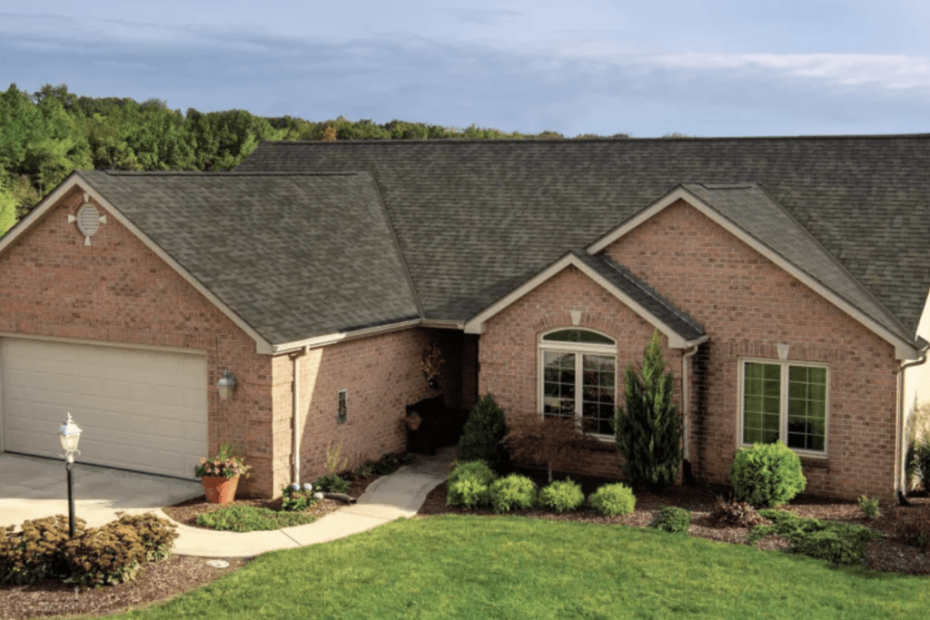
Colorado runs one of the harshest exterior environments in the country, and most of the damage happens quietly. Hail gets the attention because it arrives loudly and leaves dents, but the slower forces of ultraviolet exposure, temperature swing, and wind do just as much work over a roof’s lifespan.
Understanding which force is doing what helps you spend maintenance money where it counts.
UV at altitude is the underrated problem
Ultraviolet intensity increases roughly 4 percent for every 1,000 feet of elevation. A roof in Denver at 5,280 feet absorbs about 20 percent more UV than the same roof at sea level, and homes in the foothills take considerably more.
Asphalt shingles age through the loss of volatile oils in the asphalt binder. As those oils cook off, the mat becomes brittle, granules lose their grip, and the shingle stops flexing with temperature change. A shingle rated for 30 years in Ohio often delivers 15 to 20 along the Front Range.
The visible signs show up before failure. Look for bare patches where granules have washed away, edges that curl upward, and a general chalky appearance on south and west-facing slopes. Those slopes fail first, sometimes years ahead of the north side of the same roof.
Freeze-thaw does damage that hail gets blamed for
Colorado can swing 40 degrees in a single day. A February afternoon at 55 degrees followed by an overnight low of 12 puts every material on the building envelope through an expansion and contraction cycle, and it happens dozens of times each winter.
Water that has worked into a hairline crack in stucco, mortar, or a shingle expands about 9 percent as it freezes. Repeat that cycle across a season and the crack widens. This is why small stucco cracks become large ones so quickly, and why flashing details around chimneys and skylights loosen over time.
Ice dams add another layer of trouble on homes with inadequate attic insulation. Heat escaping through the ceiling melts snow on the upper roof, the water runs down to the cold eave, refreezes, and builds a ridge that backs meltwater up under the shingles. The fix is almost always insulation and ventilation rather than anything done on the roof surface.
Hail: what actually constitutes damage
Roughly half of Colorado hail claims involve stones under an inch in diameter, which typically bruise a roof without immediately puncturing it. A bruise crushes the mat beneath the surface and knocks granules loose, and the shingle keeps functioning for a while before failing early.
Check these after any significant storm: gutters and downspouts for dents, the soft aluminum of window wraps and vents, and painted metal surfaces where hail leaves obvious marks. Damage visible on those softer surfaces means the roof took similar impacts. Document everything with dated photos, because most Colorado insurers hold to a one-year window from the date of loss.
Wind uplift along the Front Range
Chinook winds regularly hit 60 to 80 miles per hour east of the mountains, with Boulder County recording gusts above 100. Uplift begins at the edges and corners of a roof where pressure differential is highest, which is why you find missing shingles at rakes and ridges rather than in the field.
Sealant strips on asphalt shingles need warm temperatures to bond properly. A roof installed during a cold snap may never fully seal, and it will shed shingles in the first serious wind event. Reputable installers hand-seal during cold-weather work.
A seasonal checklist that fits on one page
Spring, before hail season: Clear gutters of winter debris, inspect all flashing and sealant at penetrations, check attic for water staining, trim branches back at least 6 feet from the roof.
Summer: Inspect after each significant storm, verify downspouts discharge at least 4 feet from the foundation, watch for granule accumulation at downspout outlets.
Fall, before first freeze: Clear gutters again, confirm attic insulation depth of R-49 or better, blow out irrigation, seal any masonry cracks before water can enter and freeze.
Winter: Watch for icicles along eaves, which signal a heat-loss problem worth addressing.
The garage deserves a place on the list
Garages take weather abuse from both directions in Colorado. The overhead door faces direct sun and driving wind, the slab absorbs road salt and snowmelt all winter, and most garages have minimal insulation despite sharing a wall with conditioned space.
Check the door’s weather seal at the bottom and along the jambs each fall, since a failed seal lets snow drift inside and accelerates rust on everything stored at floor level. Seal the concrete slab every few years to keep salt from spalling the surface.
Getting items off the floor solves several problems at once. Wall-mounted racks and cabinets keep gear away from meltwater, improve airflow so damp equipment dries instead of rusting, and clear enough space to actually park a vehicle inside, which shelters it from the hail that damages the roof. Homeowners who invest in organized garage storage often find that last benefit alone justifies the work after one bad summer.
Repair or replace
Repair makes sense when damage is isolated, the roof is under about 12 years old, and matching material is available. Replacement becomes the better decision when granule loss is widespread, when multiple slopes show curling or cracking, or when repairs have already been made in three or more locations.
A roof that has survived two hail seasons in the Front Range without inspection is overdue for one. Damage found early stays a repair.