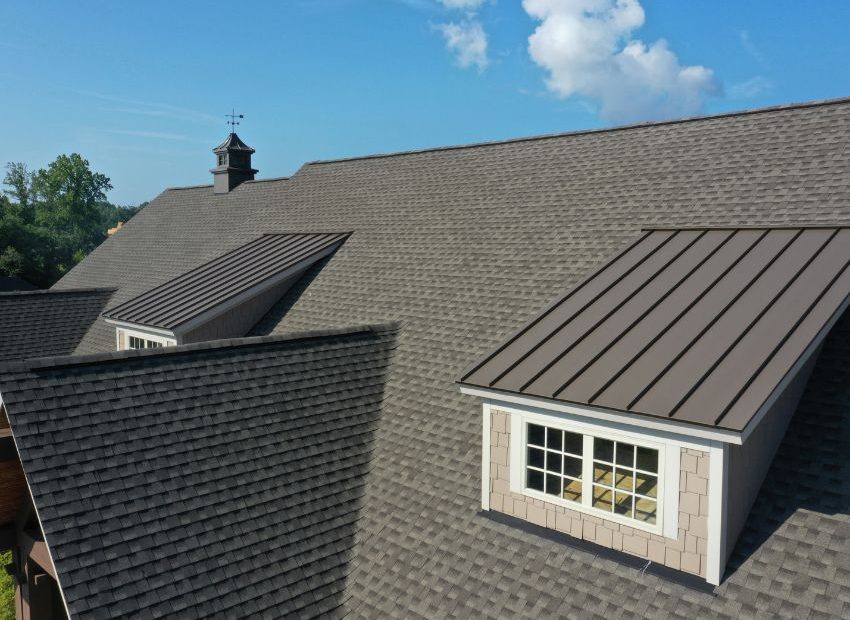
A roof in Colorado typically lasts 15 to 25 years, less than the national average because hail, intense high-altitude UV, and wind wear it out faster. Asphalt shingles last about 15 to 20 years here, while metal and tile can last 40 years or more. Hail damage often ends a roof’s life sooner, no matter its age.
How long does a roof last in Colorado?
It depends on the material, but most Colorado roofs last 15 to 25 years. Standard asphalt shingles run 15 to 20 years, impact-resistant shingles a few years longer, metal roofs 40 to 70 years, and tile even longer. Those numbers are shorter than the same materials would reach in a milder climate, because the Front Range gets more hail and stronger sun than most of the country.
Why do roofs wear out faster in Colorado?
Four forces age a roof here faster than average. Hail cracks and bruises shingles and knocks off the protective granules. Intense UV at altitude in Littleton and across the metro bakes and dries shingles year-round. High-wind events lift and tear shingles, and the constant freeze-thaw cycle works moisture into any weak spot. Together they can take years off a roof’s rated lifespan.
How long do asphalt shingles last?
Basic 3-tab shingles last about 15 to 18 years, architectural shingles about 20 to 25, and impact-resistant Class 4 shingles a bit longer while resisting hail better. In Colorado, most homeowners land at the shorter end of each range because of storms and sun. Impact-resistant shingles are popular here because they hold up to hail and can earn an insurance discount.
How often should you replace your roof?
Replace an asphalt roof roughly every 15 to 20 years, or sooner if a hail or wind storm damages it. Rather than watching the calendar, watch the roof: granules in the gutters, curling or missing shingles, and daylight or stains in the attic are the real signals. An inspection after any major storm tells you whether you are near the end.
Is a 20-year-old roof too old?
Often, yes. By 20 years most asphalt roofs in Colorado are near or past the end of their life, and insurers may reduce coverage or move an older roof to actual cash value rather than full replacement cost. If your roof is around 20 years old, have it inspected so you know where it stands before the next hail season.
What are the signs a roof is near the end?
Watch for shingles that are curling, cracking, or missing, bald spots where granules have worn away, granules collecting in the gutters, sagging areas, and water stains on interior ceilings. Any of these on a roof over 15 years old means it is time for a professional look before a leak starts.
FAQ
How long does a roof last in Denver?
Most Denver-area asphalt roofs last 15 to 20 years, shortened by hail and sun. Metal and tile last far longer.
Does hail shorten a roof’s lifespan?
Yes. A single strong hail storm can damage a roof enough to require replacement years before it would have worn out.
Do impact-resistant shingles last longer in Colorado?
They resist hail better and often last a few years longer, and they can earn a homeowners insurance discount in Colorado.
How do I know if my roof needs replacing?
Look for granule loss, curling or missing shingles, and interior stains, then get an inspection, especially after a hail storm.
Related services: Roof Replacement | Roof Repair | Storm & Hail Damage Restoration
More from the blog: How Do You Know If Your Roof Has Hail Damage? | Metal Roof vs. Shingle Roof: Which Is Better for Colorado?