
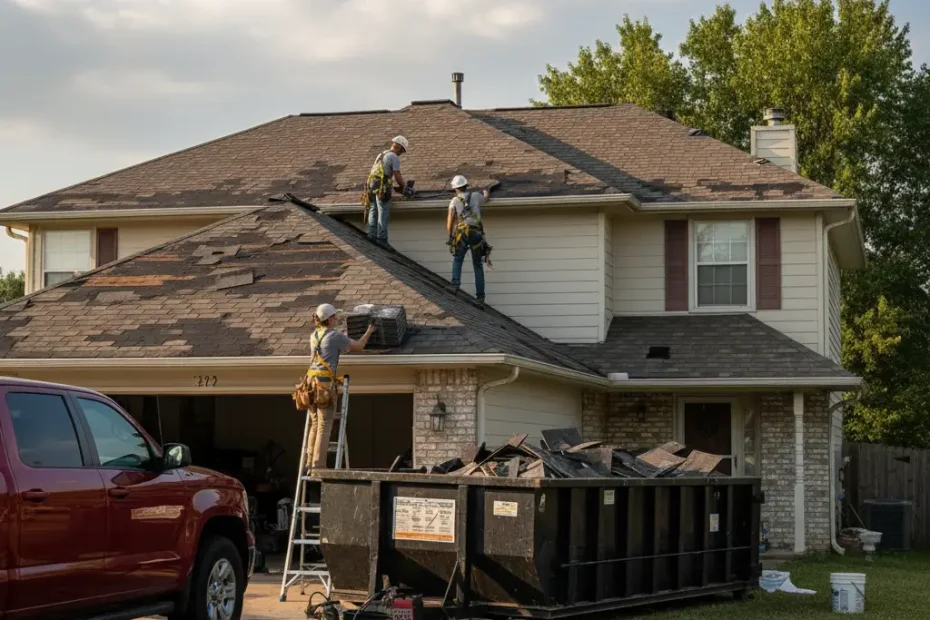
Roof Replacement vs Repair: Key Signs You Need to Know
Imagine climbing a ladder to check your roof after a storm, only to discover curling shingles and mysterious leaks inside. As a homeowner, deciding between roof repairs and a full roof replacement can feel overwhelming. With over 20 years in the roofing industry, I’ve inspected thousands of roofs and helped countless homeowners avoid costly mistakes. This comprehensive guide draws from real-world experience to help you identify whether your roof needs targeted fixes or a complete overhaul. Whether you’re dealing with age-related wear or sudden damage, understanding the signs ensures you protect your home without overspending.
At Blue Peaks Roofing: Expert Roof Solutions for Home Protection, we prioritize thorough inspections to provide honest recommendations. Our team has seen it all—from minor shingle issues to structural failures—and we base decisions on proven indicators. Let’s dive into the critical signs, inspection tips, and cost comparisons to empower you with the knowledge needed for smart decisions.
Understanding Roof Lifespans: The Foundation of Your Decision
Every roof has an expected lifespan based on material type. Asphalt shingles typically last 20-30 years, metal roofs 40-70 years, and tile roofs 50+ years under ideal conditions. However, factors like weather exposure, installation quality, and maintenance accelerate wear. If your roof is approaching or past its halfway mark—say, 15 years for shingles—repairs become temporary bandaids.
From hands-on experience, roofs installed poorly from the start fail prematurely. During inspections, we check underlayment integrity, which degrades long before surface materials. A roof at 25 years old with intact shingles might still need replacement if the underlayment is failing, allowing hidden water damage. Regular maintenance extends life, but ignoring early signs leads to exponential repair costs. Homeowners often ask, “How do I know when it’s time?” The answer lies in visible and hidden indicators we’ll explore next.
Visible Signs from the Ground: What You Can Spot Without Climbing Up
Safety first—never risk a DIY roof climb unless you’re experienced. Many issues are detectable from the ground with binoculars. Start with your roofline. A sagging roofline is a red flag for structural compromise, often from rotted rafters or overloaded decking. This isn’t a repair job; it demands full replacement to prevent collapse.
Look for missing or damaged shingles. Bare spots, curling edges, or gaps expose underlayment to elements. If limited to one section, repairs suffice. But if widespread across multiple slopes, replacement is wiser. Cracked or broken tiles on tile roofs signal similar issues—individual fixes work for isolated cases, but patterns indicate systemic failure.
Granule loss appears as bald spots. Shingles shed granules naturally, but excessive buildup in gutters means accelerated aging. Dark streaks from algae or moss growth weaken materials over time. These ground-level clues guide initial assessments, prompting professional follow-up.
Attic Inspection: Uncovering Hidden Damage
Enter your attic with a flashlight to reveal what the exterior hides. Daylight through the roof or pinhole leaks confirm breaches needing immediate attention. Water stains on rafters, rotted decking, or musty odors point to chronic issues. Soft spots when pressing decking indicate rot—patching won’t save it.
In my inspections, we’ve found insulation soaked from undetected leaks, leading to mold and energy loss. If damage spans more than a few boards, replacement ensures comprehensive protection. Check ventilation too; poor airflow causes ice dams and premature wear in colder climates.
When Repairs Make Sense: Localized and Early Issues
Repairs shine for contained problems. If damage is localized—a few shingles from hail or a slipped tile—spot fixes restore integrity affordably. Roofs under halfway through lifespan respond best, extending usability by years.
Storm damage limited to one area? Targeted repairs prevent escalation. Early detection of flashing issues around chimneys or vents avoids water intrusion. Budget constraints favor repairs when viable, but always weigh long-term costs. We’ve repaired storm-hit sections, saving clients thousands versus full replacements.
For tile roofs, slipped tiles with intact underlayment are repairable. Debris in channels or minor valley leaks respond well to fixes. However, if underlayment shows wear, plan for more extensive work.
Clear Indicators for Full Roof Replacement
Multiple red flags scream replacement. Widespread damage over 30% of the surface makes piecemeal repairs inefficient. Frequent repairs—every 1-2 years—signal end-of-life. Structural sags, rotted decking, or compromised rafters demand total overhaul.
Age is key: beyond expected lifespan, even minor issues compound. Planning to sell? A new roof boosts value and buyer confidence. Insurance may mandate replacement post-storm for coverage continuity. In tile roofs, widespread cracking, deteriorated underlayment, or 25+ years since installation necessitate replacement, though tiles might reuse.
Interior clues like ceiling stains despite patches indicate failing systems. Granule loss everywhere, moss proliferation, or loose flashing across areas confirm it’s time. Professional eyes spot these early, preventing interior catastrophes.
Cost Comparison: Repairs vs. Replacement Long-Term
Short-term, repairs cost less—$500-$5,000 versus $10,000-$30,000 for replacement. But repeated fixes accumulate. A 20-year-old roof needing annual patches could total $15,000+ over a decade, exceeding new roof costs.
Neglect amplifies expenses: leaks cause $1,000s in interior damage, mold remediation hits $5,000+, and structural fixes soar. Proactive replacement saves via warranties, energy efficiency, and insurance perks. New roofs last 25-50 years with maintenance, slashing lifetime costs. Factor resale value—buyers discount homes with aging roofs by 5-10%.
We’ve crunched numbers for clients: repairing a failing 25-year shingle roof yearly costs 2x a replacement. Investing upfront yields peace of mind and equity.
DIY Inspection Checklist: Empower Yourself Before Calling Pros
Armed with this checklist, assess safely:
- Scan roofline for sags or dips.
- Check shingles/tiles for missing, curling, cracking.
- Inspect gutters for granule piles, debris.
- Look for moss, algae streaks.
- Examine attic for stains, rot, daylight.
- Test decking for softness.
- Note interior ceiling spots or musty smells.
- Review maintenance history and age.
Document with photos. This prepares you for pros like those at our Roof Replacement Guide: Repair vs Replace Decision Help.
Material-Specific Signs: Shingles, Metal, Tile
Asphalt Shingles
Curling edges, bald granules, cracks signal wear. Missing pieces expose underlayment. Beyond 20 years, replacement looms.
Metal Roofs
Rust, loose panels, denting from hail. Fasteners failing cause leaks. 40+ years? Inspect diligently.
Tile Roofs
Cracked tiles, slipped pieces, underlayment failure. 25+ years demands underlayment checks—tiles often reusable.
Each material’s quirks require tailored evaluation. Our expertise spans all, ensuring precise advice.
The Professional Inspection Process: What to Expect
Experts use drones, thermal imaging for non-invasive scans. We probe decking, test underlayment, assess ventilation. Reports detail findings, photos, recommendations with cost breakdowns. Expect 1-2 hours; no obligation quotes follow.
This transparency builds trust. We’ve turned skeptics into advocates through honest assessments, like spotting hidden rot saving a full demo.
Maintenance Tips to Extend Roof Life and Delay Replacement
Trim overhanging branches, clean gutters biannually, ensure ventilation. Annual pro inspections catch issues early. Avoid pressure washing shingles—damages granules.
Post-storm checks prevent escalation. Quality materials and installers from the start pay dividends. Link to our Roof Repair Services: Fast Fixes for Common Issues for more.
Frequently Asked Questions
How do I know if my roof needs a full replacement or just repairs?
Determining whether your roof requires repairs or full replacement involves evaluating damage extent and age. Localized issues like a few missing shingles or cracked tiles often suit repairs, especially on younger roofs. However, widespread damage covering over 30% of the surface, frequent repairs, sagging structures, or roofs past their lifespan (20-30 years for shingles) indicate replacement. Attic checks reveal hidden rot or leaks pushing toward overhaul. Professional inspections confirm, using tools like thermal imaging. From experience, early intervention saves money—repairs extend life temporarily, but ignoring systemic failure leads to interior damage costing thousands more. Always prioritize safety; consult experts for accurate diagnosis to avoid unnecessary expenses or risks.
What are the most common signs of roof damage?
Common signs include missing or curling shingles, granule loss in gutters, sagging rooflines, water stains in the attic, and interior ceiling spots. Cracked tiles, moss growth, and loose flashing also signal trouble. These appear from ground view or attic inspection. Granule buildup indicates aging shingles losing protective layers, while sags suggest structural rot. Early detection via biannual checks prevents escalation. Storms accelerate issues like hail dents on metal or wind-lifted shingles. Musty attic odors hint at mold from leaks. Documenting these prompts pro evaluation, balancing repair viability against replacement needs. Addressing promptly maintains home value and safety.
Can I repair part of my roof instead of replacing the whole thing?
Yes, partial repairs work for isolated damage like storm-hit sections or minor leaks, if the roof is relatively young and underlayment intact. Examples include replacing a few shingles or fixing flashing. However, if damage exceeds 30%, or history shows repeated fixes, full replacement proves cost-effective long-term. Tile roofs often reuse tiles with new underlayment. Pros assess during inspection, weighing factors like age and spread. We’ve repaired localized hail damage successfully, extending life 5-10 years. But patching old roofs delays inevitable, risking leaks and higher costs. Get a detailed report to decide confidently, ensuring repairs match overall condition.
How often should I inspect my roof?
Inspect twice yearly—spring and fall—plus after major storms. Homeowners check ground-level signs; pros handle full evaluations annually for older roofs. National Roofing Contractors Association recommends this to catch issues early. Attic peeks reveal hidden problems like rot. Neglect shortens lifespan; regular checks extend it by years via timely repairs. Document changes over time. For high-risk areas, quarterly looks suffice. Professional input verifies, preventing surprises. This proactive approach saves thousands in potential water damage and mold remediation. Pair with gutter cleaning and debris removal for optimal health.
What causes a roof to sag?
Sagging results from rotted rafters, overloaded decking, or poor original support. Water damage weakens wood over time; excess weight from snow or debris exacerbates. Age compounds issues as materials degrade. Immediate pro evaluation is crucial—sags signal collapse risk. Replacement typically required, not patches. We’ve seen neglected leaks cause this in 15-year roofs. Ventilation failures contribute by trapping moisture. Fixing underlying causes during overhaul prevents recurrence. Ignoring leads to catastrophic failure, interior destruction. Prioritize inspection if noticed.
Is granule loss in gutters a big deal?
Yes, excessive granules signal shingle wear, reducing UV and impact protection. Normal shedding occurs, but piles indicate accelerated aging, often from 15+ years exposure. It precedes cracking and bald spots. Monitor gutters; heavy buildup means inspection time. Repairs may suffice early, but widespread loss leans replacement. New shingles shed minimally. Cleaning prevents clogs aiding moss. This simple check forecasts needs, saving via timely action. Pros quantify during visits.
How do I check for roof leaks from the attic?
Look for water stains, discoloration on rafters, or daylight through decking. Probe for soft spots indicating rot. Musty smells suggest mold. Trace stains to entry points. Avoid during rain for safety. Flashlight reveals pinholes. Photos aid pro reports. Multiple stains mean systemic issues favoring replacement. Insulation dampness signals urgency. This DIY step informs decisions, but experts confirm extent. Early fixes prevent escalation to ceilings and walls.
When does roof age matter more than visible damage?
Age trumps minor damage on older roofs, as underlayment fails invisibly around 20-25 years. Even pristine-looking shingles leak if base layers degrade. Lifespan benchmarks: shingles 20-30 years, tile 50+. History of repairs accelerates. Pros drill core samples if needed. Replacing proactively avoids surprises. Younger roofs tolerate patches better. Factor material quality and maintenance. This insight guides budgeting.
Should I replace my roof before selling my home?
Absolutely, if nearing end-of-life—boosts curb appeal, passes inspections, and justifies higher price. Buyers discount 5-10% for old roofs. New ones offer warranties transferable. Staging hides issues poorly; disclosures required. We’ve seen sales falter over roof concerns. Partial repairs help minimally damaged. Time it pre-listing for max ROI. Pros provide certifications.
What role does underlayment play in replacement decisions?
Underlayment is the waterproof barrier beneath surface materials. Deterioration causes leaks despite good shingles/tiles. In tile roofs, 25+ years often needs replacement while reusing tiles—cheaper option. Inspection reveals via stains or probing. Failing underlayment mandates full tear-off. Quality synthetic types last longer. This hidden layer dictates overhaul needs, preventing future failures. Experts verify during bids.
Conclusion: Take Action to Protect Your Home
Spotting the difference between repairs and replacement safeguards your investment. Use this guide for self-assessment, then consult pros for precision. Proactive steps ensure longevity and value. Contact trusted experts today for peace of mind.