
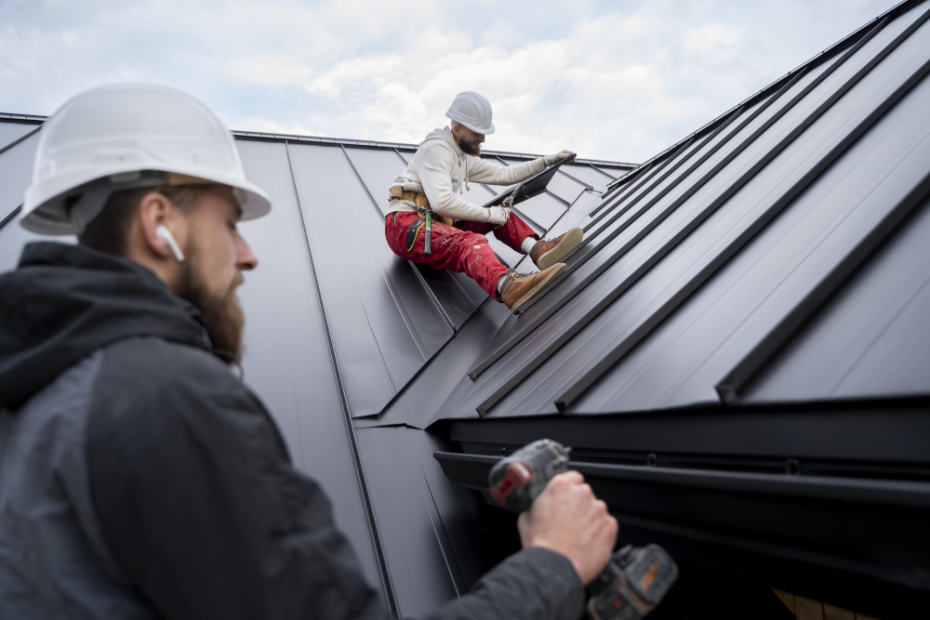
For many homeowners in Littleton, CO, the realization that the time for a full structural upgrade has arrived doesn’t come during a calm, sunny morning. Instead, it often hits during the frantic drumming of a late-summer hailstorm or when a spring thaw reveals a persistent, slow drip into the attic. In the semi-arid climate of the Front Range, a roof is far more than an aesthetic cap on a house; it is a sophisticated, multi-layered defense system engineered to withstand some of the most intense meteorological stressors in North America.
As we navigate 2026, the technology and methodology behind a professional roof replacement have reached a level of unprecedented precision. We are no longer simply “swapping shingles.” We are re-engineering the building envelope to handle higher UV indexes, volatile temperature swings, and the specific structural loads dictated by Colorado’s heavy snowfalls. At Blue Peaks Roofing LLC, we recognize that for a property owner, this is likely one of the most significant investments in the lifecycle of their home. Understanding the technical nuances of this process is the first step in ensuring that investment provides decades of security.
The Front Range Catalyst: Why Littleton Homes Require Specialized Solutions
Geography dictates the terms of a roof’s survival. Littleton sits at an elevation that subjects building materials to a unique set of atmospheric pressures. Standard roofing practices that might suffice in the Midwest or on the East Coast often fail prematurely when applied to the Colorado landscape.
The UV Radiation Challenge
At over 5,300 feet, the atmosphere provides less protection from ultraviolet rays. UV radiation is a constant catalyst for chemical degradation in asphalt-based products. Over time, the sun “bakes” the essential oils out of standard shingles, leading to brittleness, cracking, and eventual failure. A modern roof replacement in this region must prioritize materials specifically engineered with high-reflectivity granules and advanced polymer modifiers that can remain flexible despite constant solar bombardment.
Diurnal Temperature Swings
It is a common Littleton scenario: a 65-degree afternoon followed by a sudden drop to 15 degrees after sunset. This rapid thermal contraction puts immense stress on the fasteners and the roof deck itself. If a roof is not installed with a deep understanding of thermal expansion—ensuring that flashing and underlayments can “move” with the structure—the system will develop microscopic fractures long before its rated lifespan is reached.
Anatomy of a Professional System Upgrade
When a homeowner explores roof replacement, they are often focused on the color and style of the top layer. However, the true integrity of the system lies in the components that are invisible from the street. A professional installation is a symphony of layers, each serving a specific protective function.
The Decking Inspection
The foundation of every new roof is the wooden deck. During a tear-off, it is critical to inspect for “soft spots,” delamination, or dry rot. In Littleton’s older neighborhoods, where historic homes may still have original plank decking, transitions to modern OSB or plywood may be necessary to provide a flat, secure surface for the new materials. Nailing new shingles into compromised wood is one of the most common causes of premature system failure.
Ice and Water Shield: The Critical Barrier
In Littleton, ice damming is a seasonal reality. When heat escapes from the attic, it melts snow on the upper portions of the roof; that water then refreezes at the colder eaves, creating a block. Liquid water then “wicks” back up under the shingles. A professional roof replacement involves the installation of a self-adhering, rubberized membrane—the ice and water shield—along all eaves, valleys, and penetrations. This membrane creates a watertight gasket around every nail driven through it, providing a second line of defense that shingles alone cannot provide.
Synthetic Underlayments
The industry has largely moved away from traditional felt paper. Modern synthetic underlayments are tear-resistant, don’t absorb moisture, and provide a much flatter surface for shingle application. They act as a vital moisture barrier during the construction phase and a secondary shield for the life of the system.
The Impact-Resistant Revolution: Class 4 Materials
In 2026, the conversation around roof replacement in Colorado is dominated by Class 4 impact resistance. Given the frequency of hail events along the Front Range, choosing a shingle that can withstand kinetic impact is no longer a luxury—it is a strategic financial decision.
Class 4 shingles are tested by dropping a two-inch steel ball from a height of 20 feet onto the material. To pass, the shingle must show no signs of fracture on either the front or the back. These materials often utilize SBS (Styrene-Butadiene-Styrene) modified asphalt—essentially a rubberized asphalt that can “bounce back” from hail strikes. Beyond the physical protection, many Littleton insurance providers offer significant premium discounts for homes with Class 4 roofs, often allowing the material to pay for itself over the course of several years.
Technical Precision in Ventilation and Airflow
A roof is a breathing entity. If an attic is improperly vented, the new roof is essentially being attacked from both sides: the sun from above and trapped heat and moisture from below.
Balancing Intake and Exhaust
A successful roof replacement must include a comprehensive audit of the attic’s ventilation system. We utilize a balanced approach of soffit vents (intake) and ridge or turtle vents (exhaust). In the summer, this airflow prevents the attic from becoming a kiln that “cooks” the shingles from the bottom up. In the winter, it ensures that moisture from household activities—showering, cooking, and breathing—doesn’t condense on the underside of the roof deck, leading to mold and wood rot.
Energy Efficiency Gains
Proper ventilation doesn’t just protect the roof; it protects the homeowner’s wallet. A cool attic reduces the load on the HVAC system, which is particularly vital during Littleton’s increasingly hot July and August months. When we design a new system, we calculate the exact “net free area” required to ensure the roof stays within its designed operating temperature.

The Role of Flashing and Perimeter Security
The majority of roof leaks do not occur in the middle of a shingle field; they occur at the “transitions”—chimneys, skylights, valleys, and walls. These are the areas where the technical skill of the installer is most visible.
Metal Flashing Upgrades
During a roof replacement, it is standard practice at Blue Peaks Roofing LLC to replace all metal flashing rather than reusing the old, weathered components. We utilize high-gauge galvanized steel or aluminum, custom-bent to fit the specific contours of the home. Counter-flashing on chimneys is carefully tucked into mortar joints to ensure that water has no path behind the barrier.
Valley Architecture
Valleys are the high-traffic highways of a roof, carrying the most significant volume of water. We typically recommend an “open valley” or “closed-cut” system reinforced with a metal liner or a double layer of ice and water shield. In Littleton, where pine needles and debris can accumulate, ensuring these valleys are clear and structurally robust is essential for long-term drainage.
Understanding the Economics: Value vs. Price
A roof replacement is a complex logistical undertaking involving large crews, heavy machinery, and volatile material costs. In 2026, we encourage Littleton residents to look beyond the bottom-line number and evaluate the “total cost of ownership.”
The Warranty Spectrum
A roof is only as good as the guarantee behind it. There are two distinct types of warranties:
- Manufacturer Warranties: These cover defects in the shingles themselves. In the modern era, “lifetime” warranties are common, but they often require the use of an integrated system of products from the same manufacturer to be fully valid.
- Workmanship Warranties: This is the installer’s promise that the labor was performed correctly. Because a roof is a hand-installed product, the quality of the crew is the single most important factor in the system’s success.
Real Estate Impact in Littleton
The Littleton housing market remains competitive. A documented, professionally installed roof replacement with high-quality materials is one of the highest-ROI home improvements a seller can make. Prospective buyers in Colorado are savvy; they know the cost of hail and will often walk away from a deal if the roof is near the end of its functional life.
Architectural Styles and Material Selection
Littleton boasts a diverse architectural landscape, from the historic brick homes near the downtown district to the mid-century moderns in Arapahoe Acres and the newer suburban builds in TrailMark. Each style requires a tailored material approach.
Designer Asphalt Shingles
Modern asphalt shingles can mimic the look of traditional slate or wood shake at a fraction of the weight and cost. For homes in neighborhoods with strict Homeowners Associations (HOAs), we provide a wide range of “architectural” or “laminate” shingles that provide the depth and shadow lines required by local design standards.
Metal Roofing for Longevity
For those seeking a “once-in-a-lifetime” solution, metal roofing is gaining traction in Littleton. Metal is virtually impervious to hail, carries the highest fire rating (Class A), and is 100% recyclable at the end of its life. While the initial cost is higher than asphalt, the 50-to-70-year lifespan often makes it the most economical choice for “forever homes.”
Synthetic Slate and Shake
Synthetic products made from recycled polymers and rubber offer the prestige of traditional materials without the fragility. For a historic Littleton home, synthetic slate provides the exact aesthetic profile of stone but can withstand a Class 4 hail strike without cracking.
Safety and Environmental Stewardship in 2026
The process of roof replacement is inherently hazardous and messy. A professional approach minimizes the impact on the homeowner’s daily life and the local environment.
Site Protection and Safety
We utilize “The Catch-All” netting systems and specialized debris equipment to protect landscaping, windows, and decks during the tear-off phase. Safety is paramount; our crews are trained in OSHA-compliant fall protection, ensuring that the project is completed without incident.
Recycling and Sustainability
Old roofing material is a significant contributor to landfills. In 2026, we strive to utilize shingle recycling programs where old asphalt is ground down for use in road paving projects across Colorado. By choosing high-quality materials that last 30 years instead of 15, we are collectively reducing the environmental footprint of the Littleton community.
Navigating the Insurance Claim Process
For many Littleton residents, a roof replacement is funded through an insurance claim following a storm. This adds a layer of complexity to the project.
The Role of the Restoration Partner
We act as a technical advocate for the homeowner. While we do not “negotiate” the claim (a task for public adjusters or attorneys), we provide the forensic evidence—high-resolution photos, drone imagery, and moisture mapping—that adjusters need to see the full extent of the damage. We ensure that the “Scope of Loss” includes all the necessary components to bring the home up to current Littleton building codes.
Recoverable Depreciation and ACV
Understanding your policy is vital. Most modern policies are RCV (Replacement Cost Value), meaning the insurance company pays the full cost of the new roof, minus your deductible. However, they often withhold a portion of the payment—the “depreciation”—until the work is completed and an invoice is submitted. We guide our clients through this paperwork to ensure all funds are correctly released.
The Homeowner’s Role in a Successful Project
A roof replacement is a partnership. To ensure a smooth transition, we recommend Littleton residents take several proactive steps before the crew arrives:
- Vibration Protection: The process of tearing off and nailing on a new roof creates significant vibration. We recommend removing fragile items from walls and shelves on the upper floors.
- Access Management: We will need space for a large dumpster and the delivery of shingles. Clearing the driveway and providing access to exterior power outlets is greatly appreciated.
- Landscape Preparation: While we use protective netting, it is helpful to trim back overhanging branches and move delicate potted plants away from the perimeter of the house.
- Communication: Ensure you have a clear line of contact with the project manager to discuss any weather-related delays or unexpected structural issues found during the tear-off.
The Blue Peaks Distinction: Integrity Above All
At Blue Peaks Roofing LLC, we don’t just work in Littleton; we live here. We understand the specific pride that comes with maintaining a home in the Front Range. Our approach to Homepage services is built on a foundation of transparency and technical excellence.
When you choose us for your roof replacement, you are choosing a team that refuses to cut corners. Whether it’s the type of nails we use, the quality of the ridge vent, or the meticulousness of our final magnetic sweep for nails, we treat every home as if it were our own.
Conclusion: A Shield for the Future
The sky over Littleton is beautiful, but it can be a harsh master. Your roof is the only thing standing between your family and the elements. A professional roof replacement is more than a home improvement project; it is a commitment to the long-term safety and efficiency of your sanctuary. By combining the latest in material science with time-tested craftsmanship, we provide a shield that is ready for whatever the Colorado climate delivers in the years to come.
As we look toward the remainder of 2026, we remain dedicated to the homeowners of the Front Range. We believe that property value is preserved through quality, and peace of mind is earned through meticulous attention to detail. Don’t wait for the next major storm to reveal the weaknesses in your current system. Take a proactive stance, educate yourself on the options, and ensure your home is protected by the very best in modern roofing technology.