
Deciding whether your roof needs a full replacement or targeted repairs is one of the most important maintenance choices for homeowners. This guide walks you step-by-step through inspection indicators, material- and age-based thresholds, cost and insurance considerations, local Colorado climate impacts, and real-world examples and processes used by Blue Peaks Roofing to help you make a confident, informed decision.
Why this decision matters
Your roof protects your home’s structure, insulation, and interior finishes from weather, pests, and temperature extremes. A timely, correct decision between repair and replacement saves money, preserves resale value, prevents interior damage, and reduces liability risks. Understanding the practical signs of failure, the lifecycle of roofing materials, and the installation and warranty practices used by experienced roofers is essential for homeowners in Littleton, Highlands Ranch, Englewood and surrounding Colorado communities.
How to evaluate your roof: a practical inspection checklist
Begin with a thorough, systematic inspection. Use protective footwear and a partner if you go on the roof; otherwise perform a careful ground and attic inspection and call professionals for safety or uncertainty.
- Age and material life expectancy. Asphalt shingles commonly last 18–25 years for standard 3-tab and 25–30+ years for architectural/laminate shingles. Metal, tile, and slate have longer lifespans but different failure modes.
- Visible shingle damage. Look for cracked, cupped, curled, or missing shingles; significant granule loss (visible in gutters or as bare spots); and blistering or splitting.
- Leaks and interior stains. Water spots on ceilings, peeling paint, warped trim, or wet insulation inside the attic indicate active leaks that require immediate attention.
- Flashing and penetration failures. Damaged or improperly sealed flashing around chimneys, skylights, vents, and valleys is a common source of leaks and may be repairable if limited in scope.
- Underlayment and decking condition. Signs of soft decking underfoot, sagging roof planes, or daylight visible through the roof boards indicate structural concerns that often necessitate replacement of decking or full reroofing.
- Granule accumulation in gutters. Excessive granules in gutters or downspouts is a strong indicator of asphalt shingle wear and nearing end of life.
- Moss, algae, and vegetation. Persistent moss or plant growth can trap moisture and accelerate deterioration, particularly in shaded neighborhoods near parks or tree-lined corridors.
- History of repairs and patching. Multiple spot repairs over recent years often indicate systemic wear; many contractors advise replacement when a roof has required recurrent fix-ups.
- Energy performance and ventilation. Poor attic ventilation, ice damming on eaves in winter, or higher-than-expected energy bills can point to compromised roof systems and insulation that replacement can correct.
Red flags that usually mean a full replacement is needed
Some findings strongly favor replacement rather than repair:
- Roof age near or beyond expected lifespan. When shingles are 20–25+ years old (depending on product), replacement becomes the prudent choice.
- Widespread granule loss. When most of the roof shows advanced granular wear or large bare spots, the shingles no longer protect the roof properly.
- Multiple, recurring leaks. Patch repairs that fail in multiple locations usually point to an overall failing roof system.
- Significant decking rot or structural damage. When roof sheathing is compromised in multiple areas, repair costs often approach or exceed replacement costs because of the work to remove and replace rotted decking.
- Weight or layering limits. Local building codes and best practices often limit the number of overlay layers; multiple existing layers generally require a full tear-off.
- Severe storm damage. After a major hail or wind event with broad damage across the roof, replacement is frequently the only durable solution.
When repairs are appropriate
Repairs can be the right choice when issues are localized and the rest of the roof is in good condition:
- Single-area leak or isolated missing shingles. A properly executed patch around a small leak or replacement of a handful of shingles can restore weatherproofing.
- Damaged flashing in a confined location. Replacing or resealing flashing around one chimney or skylight may resolve the problem without a full replacement.
- Minor storm damage with unaffected remaining warranty life. If storm damage is limited and the roof still has significant useful life left, repairs can be cost-effective.
- Cosmetic or non-structural issues. If the roof’s performance is intact but appearance is a concern, spot repairs or shingle replacement can improve curb appeal.
Material-specific guidance
Different roofing materials age and fail differently; decisions must reflect the product in place.
- Asphalt shingles. Most common on Colorado homes; watch for granule loss, curling, and patina changes. Architecturally laminated shingles last longer but will still require replacement when granules and brittleness appear.
- Metal roofs. Durable and long-lived but vulnerable to seam corrosion, fastener failure, and panel deformation from impacts; repairs may be viable for isolated issues while systemic corrosion requires replacement.
- Tile and slate. Fragile if foot traffic causes breakage; isolated broken tiles can be replaced, but failing underlayment or widespread broken tiles usually mean a reroof.
- Low-slope and membrane roofs. EPDM, TPO, and modified bitumen require professional evaluation for seam integrity; small punctures can be patched, but extensive seam failure or aging membranes are replacement indicators.
Cost comparison: repair vs. replacement
Repair costs vary widely based on scope; a localized shingle repair or flashing replacement can be a few hundred dollars, while replacement is measured in thousands depending on roof size, pitch, and materials. Replacement requires consideration of tear-off costs, disposal, new underlayment, flashings, ventilation upgrades, and warranty registration. A strategic estimate from a trained contractor helps weigh ongoing maintenance costs against replacement capital expense.
The Blue Peaks Roofing approach to deciding repair vs. replacement
Blue Peaks Roofing uses a structured process to evaluate every roof and recommend the best path forward. Their process begins with a detailed inspection and consultation and results in a customized solution tailored to the homeowner’s needs, budget, and the building’s condition. The steps include initial consultation, inspection of shingles, flashings, underlayment and decking, recommendation of materials and scope, efficient installation or repairs, final inspection and clean-up, and ongoing support after the project is completed.
Blue Peaks emphasizes quality materials from trusted manufacturers, skilled craftsmanship from certified professionals, and ongoing support including maintenance tips and warranty follow-up. Their team’s licensing and training, including insurance adjuster expertise, helps them manage insurance claims when storm or hail damage affects the decision between repair and replacement.
How Blue Peaks documents and communicates findings (what to expect from a professional inspection)
When you schedule an inspection with a certified company, expect a comprehensive report that typically includes:
- Photographs of damage areas, both close-up and context shots showing roof sections.
- Notes on the age, material, and observed wear patterns.
- Measurements and estimates for remaining useful life and cost ranges for repair and replacement options.
- Recommendations for ventilation, underlayment upgrades, or structural repairs if needed.
- Clear explanation of warranty coverage on materials and workmanship.
Insurance, storm damage, and the role of licensed adjuster knowledge
Storm events (hail, wind) are common triggers for roof replacement decisions. A contractor experienced with insurance claims can document damage in a way that supports homeowners in the claims process, ensuring repairs or replacements meet the claim scope and specifications. Blue Peaks Roofing highlights their team’s insurance adjuster training and claims experience, which they use to: guide homeowners through the claim, meet with adjusters, and handle required paperwork to reduce homeowner burden.
Local climate and geographic factors for Littleton and the Denver metro area
Colorado’s Front Range and Denver metro climate impose specific stresses: high UV exposure, wide temperature swings, seasonal hail, and intense snow loads in winter. Neighborhoods around Littleton and Highlands Ranch, and landmarks such as Chatfield State Park, Sedalia, and nearby open spaces, can influence shading and wind exposure. These local factors accelerate material aging differently than more temperate regions and should factor into repair vs. replacement decisions.
Case examples and real-world scenarios
Below are representative scenarios to help you map your situation to a likely outcome. These examples are modeled on typical assessments and outcomes used by experienced roofers in the Littleton area.
- Scenario A: Localized leak under a skylight. Inspection finds water staining and failed flashing around a skylight but surrounding shingles and decking are in good condition. Outcome: repair flashing, replace sealant and possibly the skylight curb; replacement not required.
- Scenario B: Broad granule loss on a 22-year-old asphalt roof with multiple patched leaks. Decking is intact but shingles are brittle. Outcome: replacement is recommended to restore full performance and warranty protection.
- Scenario C: Hail event with multiple bruised shingles and dented metal flashing across the roof. Insurance inspection confirms hail damage across most planes. Outcome: replacement recommended due to widespread compromised shingle integrity; the contractor assists with claims documentation.
- Scenario D: Isolated edge uplift from wind on one slope of a 12-year-old roof. Shingles near the eave are loose but overall roof life remains. Outcome: targeted repair and reinforcement of flashing and fasteners; monitor for future deterioration.
What to expect during a professional replacement
A professional roof replacement follows a consistent workflow designed to protect the structure and ensure longevity:
- Site protection and safety. Drop cloths, debris netting, and protection for landscaping and exterior features.
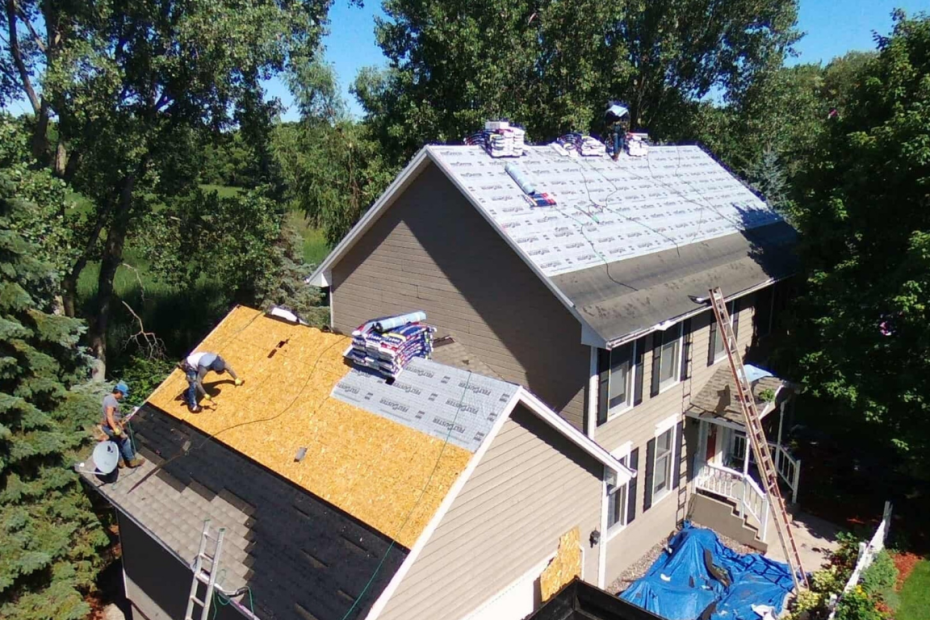
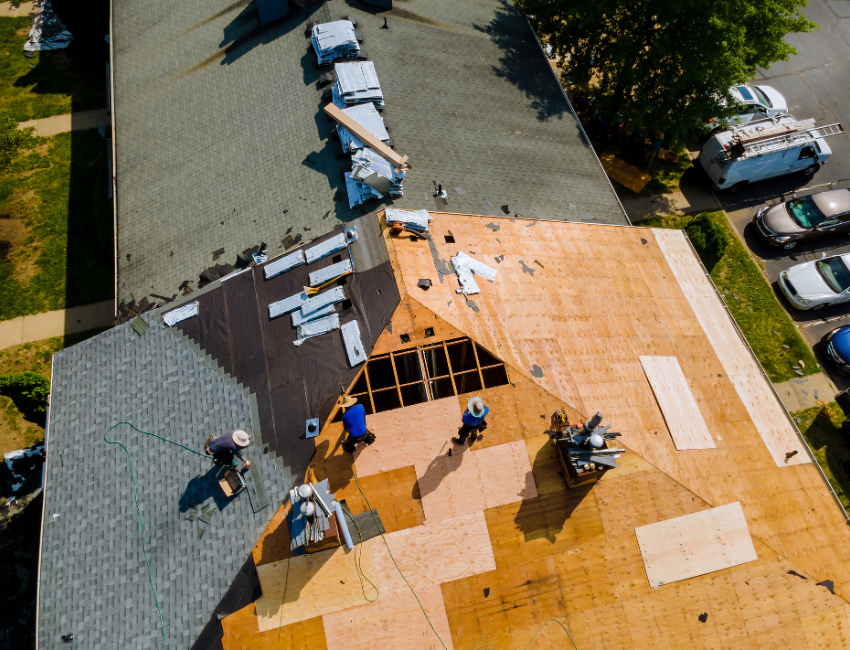
- Tear-off or overlay decision. If existing layers exceed allowed overlays or decking problems exist, full tear-off is performed down to the roof deck.
- Decking repair or replacement. Any rotten or soft decking is repaired or replaced to restore a solid substrate.
- Underlayment and ice/water barriers. High-quality underlayment and ice/water shield are installed at eaves, valleys, and penetrations to prevent leaks.
- Flashing, vents, and accessories. Flashings, step flashings, pipe boots, and ridge vents are installed or replaced to modern standards.
- Shingle or material installation. Shingles are installed with correct nailing patterns, starter rows, and ridge caps for wind and water performance.
- Cleanup and final inspection. The crew performs a thorough cleanup and a final walkthrough with the homeowner; the contractor documents the work and provides warranty information.
Warranty, documentation, and long-term support
A replacement should come with clear warranties: manufacturer’s warranty for materials and a workmanship warranty from the contractor. A reputable roofer will register manufacturer warranties when required and supply documentation covering the scope of coverage and any maintenance responsibilities required to keep warranties valid. Blue Peaks Roofing emphasizes ongoing support and maintenance guidance after project completion.
How ventilation and attic health influence the decision
Poor ventilation shortens shingle life by trapping heat and moisture in the attic; this can mimic material failure and drive premature replacement. If inspection reveals inadequate soffit or ridge ventilation or blocked vents, addressing ventilation and insulation during a repair or replacement can extend roof life and improve energy performance.
Practical decision flow: step-by-step for homeowners
Follow this decision flow to decide repair vs. replacement:
- Document symptoms (interior stains, visible missing shingles, granules in gutters).
- Note roof age and product type from records or an on-site inspection.
- Conduct a basic attic review for insulation and decking moisture.
- Hire a qualified contractor for a formal inspection and written estimate.
- Compare repair and replacement estimates, factoring expected remaining life and warranty coverage.
- Check insurance for storm-related coverage and consult the contractor’s claims experience if needed.
- Choose the solution that minimizes long-term cost, risk, and potential interior damage.
Questions to ask your roofer before deciding
- Do you provide a written inspection report with photos and a life expectancy estimate?
- Can you show examples of similar jobs you’ve completed in Littleton or nearby neighborhoods?
- Will replacement include new underlayment, ice and water barrier, and ventilation upgrades if needed?
- What warranties come with materials and workmanship, and how are manufacturer warranties handled?
- Are your crews licensed, insured, and trained in claims handling and safety?
Local examples and context
Blue Peaks Roofing operates in Littleton and the Denver metro area, serving neighborhoods and communities where the local environment influences roofing performance. Homeowners near Highlands Ranch, Columbine, or the South Platte River corridor encounter typical Front Range weather patterns: hail, strong sun, and temperature swings that affect roof materials. Local parks like Chatfield State Park and nearby open spaces can create microclimates with increased wind or shading that affect moss growth and debris accumulation. When evaluating your roof, consider these neighborhood-specific influences alongside the physical inspection.
Preparing for a replacement: timeline and homeowner responsibilities
Replacement projects typically follow a predictable timeline:
- Pre-construction. Inspection, estimate, material selection and scheduling.
- Day 1. Deliver materials, set up site protection.
- Tear-off and deck inspection. Remove old roofing and inspect/repair decking if necessary.
- Installation. Install underlayment, flashings, shingles/roofing material.
- Final inspection and cleanup. Walkthrough with homeowner and warranty documentation.
Homeowner tasks: clear vehicles and fragile items from driveway and garage areas near work zones, secure pets, and plan for noise and crew activity during work hours. A reputable contractor should provide a project schedule and communication plan.
How to reduce future repair needs
- Schedule regular inspections (every 1–2 years) and after severe storms.
- Maintain gutters and remove debris promptly.
- Trim overhanging branches that rub or drop debris onto the roof.
- Address attic ventilation and insulation to prevent heat and moisture build-up.
- Use professional installers and quality materials backed by manufacturer warranties.
Byline and credentials
Blue Peaks Roofing is a licensed, locally based roofing contractor serving Littleton and the Denver metro area with expertise in residential and commercial roofing, insurance claims handling, and both repair and full replacement services. The company emphasizes certified roofing professionals, manufacturer-backed materials, and experience working with insurers to secure fair claim outcomes. Blue Peaks Roofing maintains a BBB profile and accreditation, reflecting a commitment to customer service, and is a participating Owens Corning contractor partner for roofing systems and components.
How research and inspection practices were conducted
Professional roof assessments combine visual exterior inspection, attic interior checks, photographic documentation, and measurement of roof age and known service history. Contractors qualified in insurance adjuster training add detailed documentation for storm claims and follow accepted roofing industry standards for tear-off, underlayment, flashing and ventilation best practices. Homeowners should request written reports, photos, and documented life-expectancy estimates to support decisions and claims.
An internal navigation aid
For more details about full replacement services, explore Blue Peaks Roofing’s dedicated replacement overview using this brandable anchor: Blue Peaks Roofing Complete Roof Replacement Process & Services Overview
To learn more about the company and other services, visit the main site using this anchor: Blue Peaks Roofing Premier Colorado Roofing Contractor Home Page & Services
Final decision checklist
When you finish this assessment, use the following checklist to make your final choice:
- Documented roof age and material type.
- Extent of damage: local vs. widespread.
- Structural integrity of decking and attic health.
- Warranty status and remaining useful life estimate.
- Insurance coverage and claims status for storm events.
- Cost-benefit of repair now vs. replacement now (including expected future repairs).
- Contractor references, licensing, and written inspection reports.
Frequently Asked Questions
How old should a roof be before I consider replacement?
The typical usable life of residential roofing materials varies by product: standard three-tab asphalt shingles generally last around 18–25 years, while architectural or laminated asphalt shingles commonly last 25–30 years or more when installed and ventilated correctly. Metal, tile, and slate have longer lifespans but will still exhibit aging signs such as fastener fatigue, seam corrosion, or broken tiles over time. Age alone is an important indicator but should be combined with a condition inspection: if an asphalt roof is 20+ years and shows widespread granule loss, curling, or brittleness, replacement is usually the recommended course of action to avoid recurring leaks and interior damage. Contractors like Blue Peaks Roofing evaluate age during the initial consultation and pair it with observed wear patterns to produce tailored recommendations.
What are the most common signs that a roof needs replacement rather than repair?
Common replacement indicators include widespread granule loss (large bare areas on shingles and granules filling gutters), multiple recurring leaks in different areas, extensive shingle curling or cracking across the roof, soft or rotted decking exposed during inspection, and the presence of two or more existing overlay layers that exceed local code or best-practice limits. Additionally, roofs that have suffered a major hail or windstorm with damage across multiple roof planes often require replacement. Roofing professionals will document these signs and provide a clear explanation and cost estimate for replacement versus repair to help homeowners decide.
Can storm damage covered by insurance require a full replacement?
Yes. If a storm causes pervasive damage—such as hail bruising and granule loss across the majority of the roof, or wind-driven loss of many shingles—insurance adjusters often agree that replacement is necessary since the roof’s protective capabilities are compromised. Working with a contractor experienced in insurance claims can ensure the damage is documented and presented properly to the insurer. Blue Peaks Roofing emphasizes their adjuster-trained staff who meet with carriers and handle paperwork to help homeowners pursue appropriate claim coverage for full replacement when warranted.
Is it ever worth repairing an old roof instead of replacing it?
Repairing an old roof can be a short-term, cost-saving measure for a specific issue if the rest of the roof is in solid condition and the homeowner plans to replace the roof in the near future. However, when a roof has reached or exceeded its expected lifespan, repairs can become recurring and expensive. A single isolated problem—like localized wind damage or a failed flashing—can often be repaired. But if the roof shows systemic wear, brittle shingles, or multiple problem areas, replacement usually provides a better long-term value, warranties, and peace of mind.
How do I decide between an overlay and a full tear-off?
Overlays (installing new shingles over existing ones) are sometimes permitted when there is only a single existing roof layer, the decking is in good condition, and local codes allow overlays. However, overlays can hide underlying issues, reduce the roof’s lifespan due to trapped heat and moisture, and complicate future inspections and repairs. A full tear-off allows inspection and replacement of rotten decking, installation of modern underlayment and ice/water barriers, and ensures proper fastening and ventilation. Professional roofers assess structural condition, local code, and long-term performance when advising between overlay and tear-off options.
How important is attic ventilation when considering replacement?
Attic ventilation is critical. Poor ventilation traps heat and moisture, which accelerate shingle degradation and can lead to ice damming in winter, higher cooling costs in summer, and premature aging of roofing materials. When considering replacement, addressing ventilation—through soffit, ridge, or powered vents—often increases the new roof’s lifespan and improves energy performance. Inspectors evaluate attic ventilation as part of the initial consultation and recommend upgrades where appropriate.
What warranties should I expect with a roof replacement?
A typical roof replacement should come with two layers of warranty protection: the manufacturer’s warranty on shingles or roofing materials (covering material defects) and the contractor’s workmanship warranty that covers installation-related issues. Manufacturer warranties vary in length and often require proper registration. Reliable contractors provide clear documentation, clarify what actions maintain warranty validity, and explain any prorated limits or maintenance requirements. Confirming warranty registration and receiving written warranty certificates is an important step at project completion.
How do local Colorado weather patterns affect the repair vs. replacement decision?
Colorado’s Front Range faces high UV exposure, wide temperature swings, and seasonal hail—all of which accelerate material wear differently than milder climates. Hail can fracture shingle granules and bruise asphalt layers, while strong sun and thermal cycling can make shingles brittle and prone to cracking. Snow and ice events can expose inadequate underlayment or ventilation through ice dams and leaks. Local contractors factor these stresses into assessments, advising proactive replacement sooner when roofs show signs of weather-related degradation specific to neighborhoods like Littleton, Highlands Ranch, and other Denver metro communities.
How much do repairs typically cost compared to a full replacement?
Repair costs vary widely depending on scope: small shingle replacements or flashing repairs can range from a few hundred to a couple thousand dollars, while larger repairs involving decking replacement and extensive flashings grow accordingly. Full replacement costs are influenced by roof size, pitch, material choice, tear-off requirements, and ventilation or structural repairs; they typically run into the several thousands and up depending on those factors. Homeowners should obtain written estimates detailing materials, scope, and warranty to accurately compare short-term repair costs with long-term replacement value.
When should I call a professional inspector rather than attempting a DIY repair?
Call a professional if you notice interior water stains, multiple leaks, soft or sagging roof areas, large sections of granule loss, structural concerns, or if the roof is aged close to or past expected service life. Professionals provide safe inspections, diagnostic tools, and documented reports that are especially important when dealing with insurance claims or making long-term decisions. Even for isolated cosmetic issues, a pro can confirm whether a simple repair or a deeper underlying problem exists, preventing costly mistakes.
Conclusion
Determining whether your roof needs a full replacement or just repairs requires a careful blend of roof-age knowledge, material-specific signs, structural assessment, and consideration of local Colorado weather impacts. Use a thorough inspection checklist, document interior and exterior symptoms, and consult a qualified contractor who provides photo-documented inspection reports, warranty information, and clear repair vs. replacement estimates. Blue Peaks Roofing’s structured process—from initial consultation and inspection to efficient installation, final inspection and ongoing support—can guide homeowners through this decision, especially when insurance claims or storm damage are involved. When in doubt, prioritize documented professional assessments and long-term value over short-term fixes to protect your home and investment.